
How To Get Started In Affiliate Marketing: Start Earning Today
Pick a niche, join programs, build content, drive traffic, track conversions.
You want a clear path on how to get started in affiliate marketing. I have built and scaled affiliate sites and social channels for years. In this guide, I will show you how to get started in affiliate marketing with simple steps, proven tips, and real examples. You will learn key terms, tools, and mistakes to avoid so you can move from zero to your first sale with focus and confidence.
What Is Affiliate Marketing?
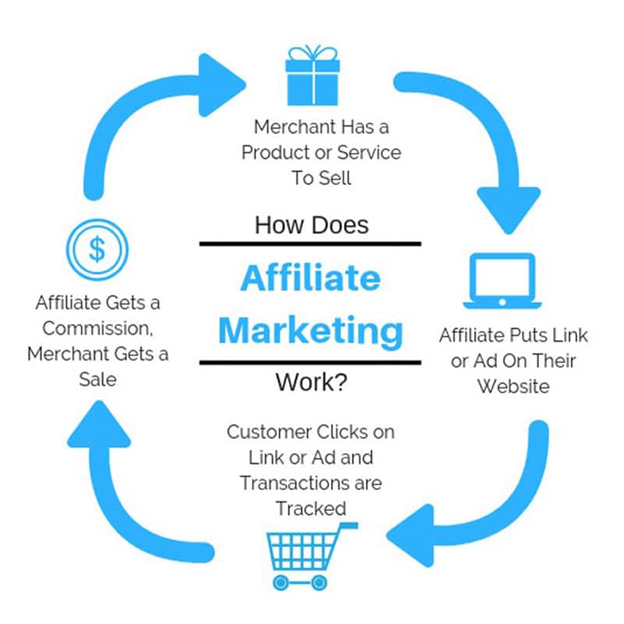
Affiliate marketing is a way to earn a commission by promoting a product or service. You share a tracked link. When someone buys through your link, you get paid.
There are three main players. The merchant sells the product. The affiliate (you) promotes it. The customer clicks your link and buys.
You will hear key terms often. Cookies track the click back to you. Conversion rate shows how many clicks turn into sales. EPC shows earnings per 100 clicks. Most programs pay 3 to 10 percent, while some pay more for software or high-ticket items.
Why Start Affiliate Marketing Now
More people shop online each year. Brands want trusted voices to reach them. That means you can earn by helping people choose with honest advice.
It is lean to start. You can use a site, search, and email to build an audience. This is how to get started in affiliate marketing even with a small budget.
I like the model because it rewards useful content. If you solve a real problem, you can win. If you chase short trends, you might not.
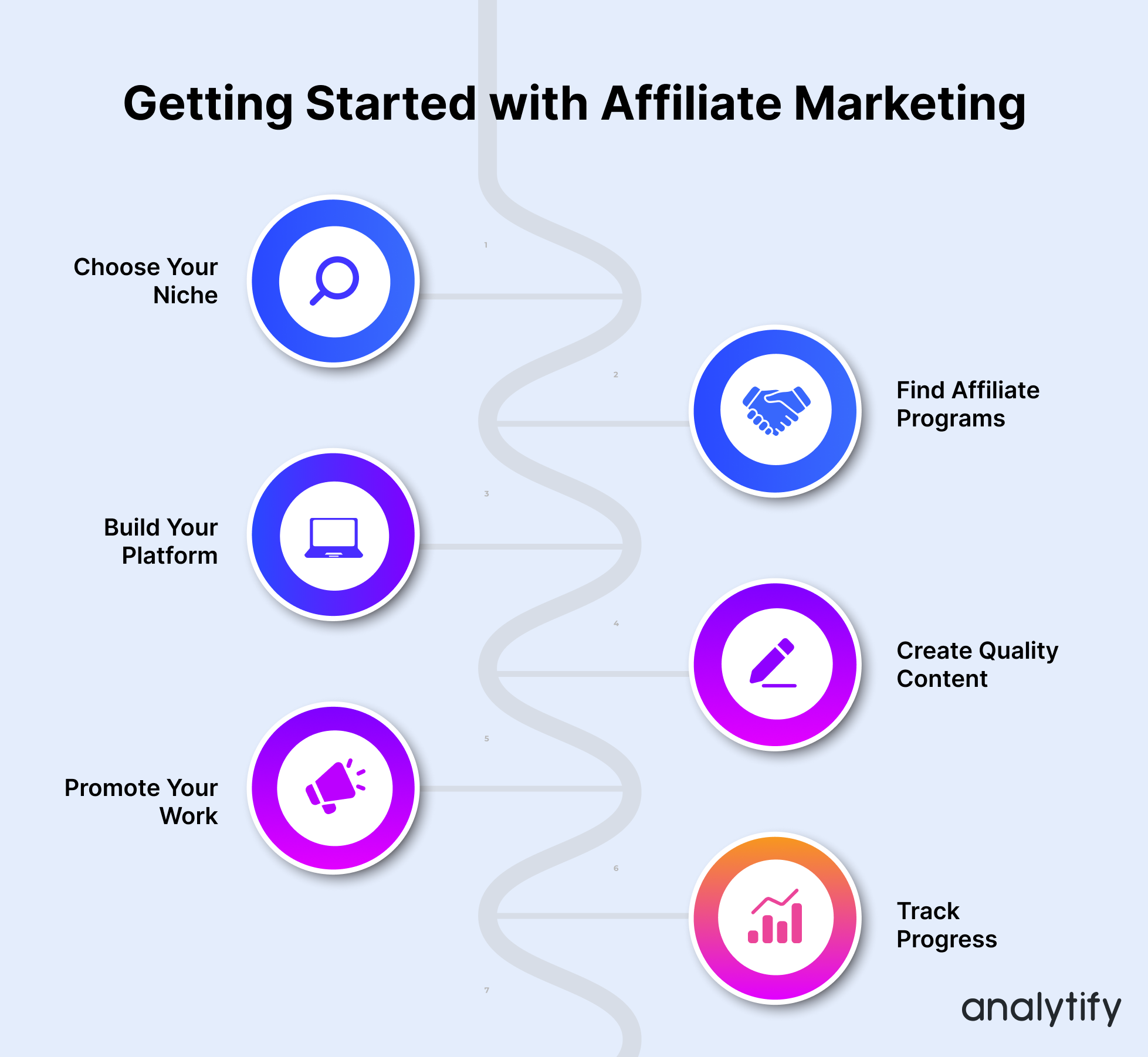
Step 1: Choose a Profitable and Durable Niche
A niche is your topic focus. Start with your skills and real use. List things you buy, fix, compare, or teach each week. Think health tools, home gear, pet care, hobby tech, or software.
Test for profit and shelf life. You want buyer intent, many products, and room to grow for years. Check if products have clear prices, specs, and search demand.
Use simple checks:
- Search a few product keywords and note ad density. Many ads hint at money.
- Scan top sites. If you see thin posts, you can add better value.
- Confirm there are affiliate programs with fair terms.
This is how to get started in affiliate marketing with less risk: pick a niche you can keep writing about for a long time.
Step 2: Validate Demand and Competition
You do not need fancy tools to start. Use search auto-suggest to list key topics. Read the “related searches” at the page bottom. Note common questions.
Check the top ten results. Ask: Can I write a clearer, shorter, or more up-to-date guide? If yes, there is a gap you can fill. Aim for topics with buyer words like best, review, compare, cheap, near me, and where to buy.
PAA-style quick check:
- How fast can I validate a niche? In one weekend, you can map 50 ideas and five gaps.
- How big should search volume be? Even 200 to 500 searches a month can work if intent is high.
This is how to get started in affiliate marketing with speed: validate first, build second.
Step 3: Select Affiliate Programs and Networks
Find programs that fit your niche. Use networks to save time. They track clicks, pay commissions, and offer many brands.
Compare:
- Commission rate and cookie length. Longer cookies help if buyers take time.
- Product price and refund rate. High refunds can wipe out gains.
- Program rules. Some ban email links or paid search on brand terms.
Apply to 3 to 5 core programs at first. Keep a backup in case a brand closes or changes rates. This is how to get started in affiliate marketing without drama: read the terms before you promote.

Step 4: Build Your Platform
A website gives you control and trust. Social and video help you reach more people fast. Email makes you less dependent on any one channel.
Start simple:
- Buy a clear domain and set fast hosting.
- Use a clean theme with good speed and mobile use.
- Set up key pages: About, Contact, Privacy, and Disclosure.
Add one social channel where your buyers hang out. Start an email list from day one. A basic form with a simple lead magnet works well. This is how to get started in affiliate marketing the right way: grow assets you own.
Step 5: Create Helpful Content that Converts
Good content is clear, useful, and honest. Focus on the buyer’s next step. Explain what to pick and why.
Use these content types:
- Best-of roundups to compare top picks.
- Single product reviews with pros, cons, and who it suits.
- How-to guides that solve a pain and link to tools used.
- Comparisons that show A vs B with tests and photos.
Follow a tight format:
- Lead with the problem and the quick pick.
- Give a short verdict early.
- Add key features, test notes, and use cases.
- Show real photos or screenshots when you can.
- End with a clear call to action.
This is how to get started in affiliate marketing and stand out: be honest when a product is not a fit. Trust beats short-term gains.
Step 6: Get Traffic: SEO, Social, and Paid
Start with search basics. Pick one main keyword per page. Use it in the title, first 100 words, one subhead, and the meta description. Write for readers first. Keep pages fast and easy to scan.
Layer social:
- Short videos with quick tips and links in the caption.
- Carousels that break down a buying guide.
- Stories that show real use and behind the scenes.
Test small paid ads on your best pages. Use cost caps. Track ROI with unique links and UTM tags. PAA-style tip: How long does SEO take? Plan for three to six months to see steady search traffic.

Step 7: Track, Optimize, and Scale
Set clear goals. Start with clicks, CTR, EPC, and revenue per page. Use link tracking so you can see which section and anchor text drive sales.
Improve step by step:
- Test titles, intros, and calls to action.
- Move links higher when readers need a fast pick.
- Add comparison tables for quick scans.
- Update old posts with fresh data and new picks.
Scale what works. Turn a high-earning guide into a short video, a carousel, and an email. Make spin-off posts that go deeper on top subtopics. This is how to get started in affiliate marketing and grow fast: repeat winners, cut losers.
Legal, Ethical, and Trust Guidelines
Follow disclosure laws. Tell readers you may earn a commission from links. Put a short, clear note near the first link and on a disclosure page.
Be fair and accurate. Do not claim results you cannot prove. Share both pros and cons. Price and stock can change, so note that when needed.
Protect user data. Use a privacy policy, cookie notice, and secure forms. These steps build trust. They also keep you safe if rules change.
Common Mistakes to Avoid
Do not chase every niche. Focus beats noise. Pick one space and build depth.
Do not publish thin posts. Each page should solve a clear need. If it does not, cut it or fix it.
Do not rely on one program. Spread risk across a few partners. Brands change terms. Your income should not vanish overnight.
Do not skip email. Social reach can drop. Your list is yours to keep.
This is how to get started in affiliate marketing and avoid pain: focus, depth, and diversity.
Tools and Resources to Start Fast
You can keep your stack light. Start with:
- A site platform and fast, secure hosting.
- A free analytics tool for traffic and goals.
- A rank and keyword tool, even a basic one.
- A link shortener and tracker for clean, tracked URLs.
- An email service with simple forms and tags.
Use templates to move fast. Build a review outline, a roundup outline, and a how-to outline. Reuse them so each new post takes less time.
Budget and Timeline: What to Expect
You can start lean. A domain, hosting, and email tool can fit in a small monthly budget. Add a keyword tool later if you like.
How long to your first sale? With five to ten solid posts and basic outreach, I have seen first sales in one to three months. How to get started in affiliate marketing and see steady gains? Publish weekly, update monthly, and focus on “best” and “review” terms first.
From my own path, my first commission was $97 from a niche software guide. It came from one honest review and three clear screenshots. Small wins stack up.
My Field Notes: What Worked, What Did Not
What worked:
- Writing a verdict in the first screen. Readers want the quick pick.
- Showing real photos. Stock images got fewer clicks.
- Answering one pain per post. Fewer tangents led to more sales.
What did not:
- Pushing five programs on one page. It split trust and clicks.
- Hiding the disclosure. Readers noticed and bounce rose.
- Chasing trends only. Traffic spiked, then fell.
This is how to get started in affiliate marketing like a pro: ship simple, test often, and keep it real.
How to Get Started in Affiliate Marketing: A Simple Checklist
Use this quick plan:
- Pick one niche you know and can grow.
- Map 50 search topics with buyer intent.
- Join 3 to 5 solid programs with fair terms.
- Launch a clean site and one social channel.
- Write 5 core posts: two best-of, two reviews, one how-to.
- Add clear calls to action and a short disclosure.
- Send one helpful email a week.
- Track clicks, EPC, and top links.
- Update posts monthly. Expand winners.
- Repeat the cycle and keep learning.
If you follow this, you will feel how to get started in affiliate marketing with less stress and more control.
Frequently Asked Questions of how to get started in affiliate marketing
Do I need a website to start?
You can start on social or video, but a website gives you control and trust. It also helps you rank in search and collect email leads.
How much money do I need to begin?
You can start with a small budget for domain, hosting, and a basic email tool. Upgrade tools only when you see traction.
How long to make my first sale?
With focused content and clear calls to action, many see a first sale in one to three months. Results vary with niche, volume, and traffic.
Which niche should I pick?
Choose a niche you use, can teach, and can grow for years. Check buyer intent, product depth, and program options.
How do I disclose affiliate links?
Place a short note near the first link and add a full disclosure page. Keep it clear and simple to build trust and meet rules.
Conclusion
You now have a clear path on how to get started in affiliate marketing. Pick a niche you know, join strong programs, publish helpful content, and track what works. Keep your stack light, your writing honest, and your tests steady.
Take one action today. Choose your niche, outline your first post, or apply to one program. Small steps, done each week, will lead to your first sale and a durable revenue stream. Want more guides like this? Subscribe, share your niche in the comments, and tell me what you will publish next.
My Best Recommended & Proven Way to Make $100 Daily—Get Started Here >>


5 Comments