

How To Find A Niche For Affiliate Marketing: Proven Tips
Choose a problem you know, validate demand, and test monetization.
I’ve helped dozens of creators and small brands grow with affiliate content. In this guide, I will show you how to find a niche for affiliate marketing that fits your skills, solves real problems, and has proven demand. You will learn simple steps, smart tools, and clear checks that reduce risk and speed up results. If you want a repeatable way to choose a niche you can own, read on.
What Is a Niche and Why It Matters
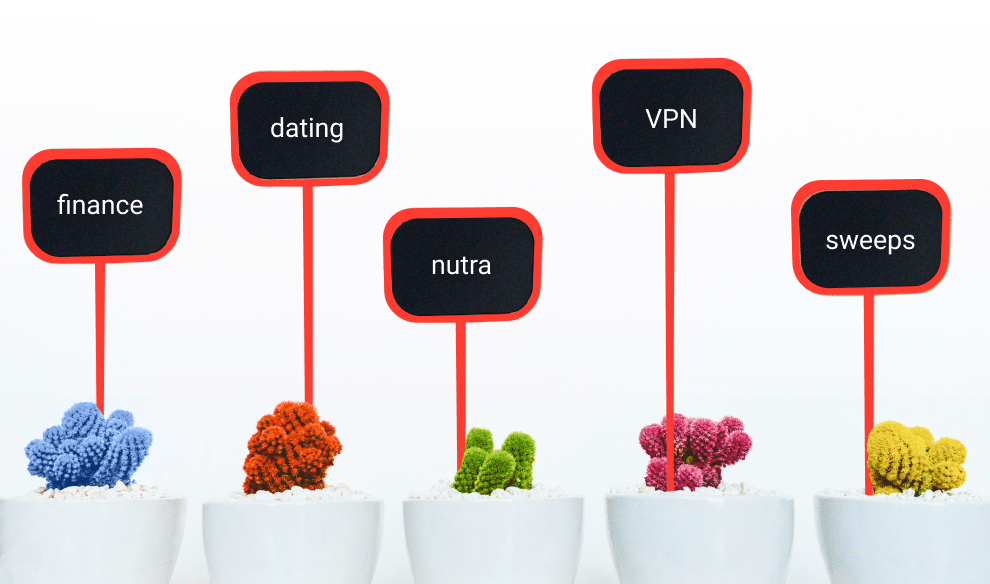
A niche is a focused slice of a market with a clear audience and a specific problem. In affiliate marketing, a strong niche makes it easier to rank, convert, and build trust. It narrows your topics so you can say no to noise and yes to depth.
A good niche gives you buyer intent, not just traffic. It also lets you create unique angles based on your story, skills, and data. That is how to find a niche for affiliate marketing that pays and lasts.

How to Find a Niche for Affiliate Marketing: A Simple 7-Step Framework
Use this step-by-step process. It is fast, clear, and easy to repeat.
-
List your interests, skills, and proof
• Write five things you do well or often.
• Add work wins, hobbies, or past problems you solved.
• Note any credentials, before-after results, or gear you use now. -
Define a real audience and their pain
• Who needs help and why now.
• What breaks their budget, time, or peace.
• What they already tried that did not work. -
Validate search demand
• Check search volume ranges and seasonality.
• Look for phrases with clear buyer intent like best, review, compare, versus.
• Aim for many related long-tail terms you can cover. -
Check competition and SERP intent
• Search your top terms and read page one.
• Spot gaps in depth, freshness, or format.
• If big sites own it, find a tighter angle or sub-niche. -
Map monetization early
• List affiliate programs that fit your topic.
• Check commission, cookie length, EPC, conversion rate, and refund policy.
• Favor recurring or high-ticket offers if trust is high. -
Do quick profit math
• Estimate clicks, conversion rate, and average commission.
• Model low, base, and high scenarios.
• Ensure your base case covers your content costs within 3–6 months. -
Run a 7-day validation sprint
• Publish one comparison, one review, and one how-to.
• Share in two communities and one email list or social channel.
• Track CTR, clicks, and first commissions. Adjust and double down.
That is how to find a niche for affiliate marketing without guessing. You build on strengths, test demand, and confirm money paths before you scale.

Tools and Data to Validate Demand and Profit
You do not need fancy tools to start. Use free and low-cost options to reduce risk fast.
Research tools
• Google Trends to see interest over time and seasonality.
• Keyword Planner or Search Console to spot demand and gaps.
• AnswerThePublic or AlsoAsked to map questions and subtopics.
• Reddit and Facebook Groups to hear real pain in real words.
• Amazon Best Sellers and Movers & Shakers to spot buying trends.
Affiliate networks and programs
• Amazon Associates for broad catalogs and fast tests.
• Impact, CJ, ShareASale, and Awin for vetted brands.
• Direct brand programs for better terms and support.
• ClickBank and PartnerStack for digital and SaaS offers.
Key metrics to check
• Commission rate and cookie length for earnings potential.
• EPC and conversion rate for real-world performance.
• Average order value and refund rate for stability.
• Program reputation and support response time for trust.
Use these to guide how to find a niche for affiliate marketing that shows real demand and real partners ready to pay.

Niche Examples That Work Today
Here are focused ideas with clear problems and strong offers.
• Budget home gym for small spaces. People want compact gear that fits in apartments. You can promote foldable benches, smart dumbbells, and apps with recurring plans.
• Travel credit cards for digital nomads. The need is low fees, lounges, and travel hacks. You can compare cards, insurance, and global eSIM plans.
• Eco-friendly pet care for sensitive dogs. Owners want hypoallergenic food, shampoos, and supplements. You can mix Amazon picks with direct-to-consumer brands.
• DIY solar for cabins and vans. The goal is off-grid power and safety. Promote panels, inverters, batteries, and monitoring tools.
• Ergonomic setups for remote coders. Problems are pain, fatigue, and focus. Review chairs, split keyboards, monitors, and blue light tools.
These show how to find a niche for affiliate marketing by tying a clear pain to products and proof.

Red Flags and Mistakes to Avoid
Watch for traps that waste time and trust.
• Going too broad. Best fitness gear is hard. Best dumbbells for seniors with arthritis is doable.
• Going too small. If the niche has tiny demand or no offers, you stall.
• Ignoring YMYL rules. Health and finance need care, sources, and disclaimers.
• Copying giants. Compete with angle, depth, and speed, not a thin clone.
• Chasing only high commissions. Poor fits kill trust and long-term income.
• Skipping E-E-A-T. Show who you are, why you know this, and how you test.
Avoid these and you move faster. That is how to find a niche for affiliate marketing without burning out.

Brand Positioning and Content Strategy
Once you select your niche, shape a brand that signals trust fast.
Positioning
• Stand for one promise, like pain-free work at home or safe off-grid power.
• Craft a unique angle, like data-based picks or budget-first builds.
• Share your story, wins, and fails in the About page.
Content plan
• Create one pillar guide and 10–20 cluster posts.
• Mix how-tos, comparisons, and honest reviews with pros and cons.
• Add original photos, tests, and checklists to raise trust.
E-E-A-T signals
• Real author bio, credentials, and contact page.
• Clear disclosures, update dates, and sources.
• Testimonials, case studies, and user quotes with consent.
This plan supports how to find a niche for affiliate marketing and turn it into a real brand.

Monetization Mix and Picking Programs
Balance fast wins with durable income.
Program selection
• Start broad with Amazon or a large network to test what sells.
• Shift to direct programs for higher rates once you see winners.
• Keep two to three options per product type to avoid risk.
Offer mix
• High-ticket items for spikes in revenue.
• Recurring SaaS or memberships for steady cash flow.
• Lead-gen offers to earn on free trials or sign-ups.
Best practices
• Disclose links and follow all program rules.
• Use comparison tables, pros and cons, and clear CTAs.
• Track deep links for each article to see true ROI.
This is a clean way for how to find a niche for affiliate marketing and build earnings with less drama.
Tracking, SEO, and Growth Plan
What gets measured grows.
Tracking
• Set targets for traffic, CTR, clicks, and revenue per post.
• Tag every link by page and placement.
• Use Search Console to improve titles and intent match.
SEO and CRO
• Answer the main query in the first 100 words.
• Use simple headers, short paragraphs, and clear schemas.
• Test CTAs, buttons, and product order for lift.
Growth
• Publish on a schedule and update winners often.
• Earn links with original data, tools, or checklists.
• Build an email list for launches and seasonal guides.
This is how to find a niche for affiliate marketing and scale it with data, not hope.

Personal Lessons From the Field
I once picked a broad fitness niche and failed. I had traffic but weak buyer intent. I learned to zoom in and speak to one pain.
Later, I chose budget home gyms for small spaces. I shared my 450-square-foot setup, costs, and photos. That real proof raised clicks, trust, and sales fast.
My takeaways
• Your story is your moat. Use it.
• Real tests beat generic advice.
• Tight focus wins early. Scale only after you lead your corner.
These lessons shaped how to find a niche for affiliate marketing that feels honest and earns well.
Frequently Asked Questions of how to find a niche for affiliate marketing
What is the fastest way to find a niche for affiliate marketing?
Start with a pain you know, then check demand and offers. Publish three test posts and measure clicks and commissions.
How do I know if a niche is profitable?
List programs, rates, and average order values, then run profit math on expected traffic. If your base case covers costs in 3–6 months, it is promising.
Should I choose passion or profit when picking a niche?
Pick both if you can. If not, choose a niche you can study fast and sustain, with clear buyer intent and programs that pay.
How competitive is too competitive?
If page one is all giant sites with deep guides and fresh updates, look for a sub-niche or a unique angle. Aim where you can be the best resource in months, not years.
How many affiliate programs should I join at first?
Two to four is enough to test what sells. Add more only after you see clear winners and need better terms.
Do micro-niches still work in 2026?
Yes, if demand is real and you offer depth and proof. Use clusters, original photos, and data to stand out.
Can I change my niche later?
Yes, but plan a path. You can pivot to a related sub-niche or rebrand once you have data on what your audience buys.
Conclusion
Finding your niche is not luck. It is a clear process: list your strengths, validate demand, map offers, run the numbers, and test fast. When you do this, you will know exactly how to find a niche for affiliate marketing that fits you and pays.
Start your 7-day sprint today. Pick one pain, publish three useful posts, and track your clicks. Want more step-by-step help? Subscribe for templates, checklists, and weekly teardown emails.
My Best Recommended & Proven Way to Make $5k to $10k Every Month—Get Started Here >>



3 Comments