

What Is The Best Free Keyword Research Tool For SEO in 2026
Google Keyword Planner is the best free keyword research tool for SEO.
If you want a clear, data-backed answer to what is the best free keyword research tool for SEO, you are in the right place. I’ve run content programs for bootstrapped startups and global brands, and I’ve tested every free option in the wild. In this guide, I’ll explain why Google Keyword Planner wins, how to use it the right way for organic search, and the free tool stack that makes your research faster, richer, and more accurate.

What Makes A Free Keyword Research Tool Great
Before we pick a winner, we need clear criteria. A strong free tool should help you see real demand, match search intent, and spot long-tail ideas that are easy to rank.
Key traits to look for:
- Reliable volume signals that reflect real searches across time and regions.
- Intent clues that show whether a query is informational, transactional, or navigational.
- SERP context like featured snippets, People Also Ask, and site links.
- Long-tail discovery, including question keywords and modifiers.
- Export options for quick sorting, clustering, and planning.
- Transparent data sources and reasonable limits.
Why this matters:
- You avoid chasing vanity keywords with no chance to rank.
- You build topical clusters around your core themes.
- You ship content people actually want to read and share.
When people ask what is the best free keyword research tool for SEO, these traits are what separate guesswork from growth.

The Best Free Keyword Research Tool for SEO: Google Keyword Planner
Google Keyword Planner (GKP) is the best free keyword research tool for SEO because its data comes straight from Google Ads. You get broad volume ranges, real seasonal trends, and a robust database of keyword ideas. It also supports filters by location, language, and date, which helps with local SEO and global content.
Strengths:
- Large, fresh dataset fed by real queries.
- Easy discovery via “Discover new keywords” and “Get search volume.”
- Forecasts that hint at seasonality and potential demand shifts.
Limitations to note:
- You need a Google Ads account to access it, but you do not need to run ads.
- Volumes are often ranges, not precise numbers.
- It is built for ads first, so you must read it with an SEO lens.
My take after years of testing: if your question is what is the best free keyword research tool for SEO, the most accurate single source is still Google Keyword Planner. Pair it with two or three helper tools and you have an elite free workflow.

Step-by-Step: How To Use Google Keyword Planner For SEO
Use this simple flow to turn raw ideas into a ranked content plan.
Step 1: Seed your topics
- Start with your product, pain points, and top customer questions.
- Drop 3–5 seed terms into “Discover new keywords.”
Step 2: Filter and sort
- Set country, language, and date range.
- Sort by Avg. monthly searches, then scan by intent. Look for words like “how,” “best,” “near me,” “price,” and “vs.”
Step 3: Mine the long tail
- Add filters such as “Contains how” or “Contains best.”
- Capture 3–5 word phrases with clear intent. These are easier wins.
Step 4: Group by topic
- Export the list. Group related ideas into clusters.
- Plan one pillar page plus supporting posts for each cluster.
Step 5: Validate difficulty
- Google the top candidates. Review the first page.
- If results are very large sites, look for longer variants and synonyms.
Step 6: Map to content
- Match informational keywords to guides and how-tos.
- Map comparison and “best” queries to roundups with clear rating rubrics.
Pro tip: When clients ask what is the best free keyword research tool for SEO, I say Google Keyword Planner, but I also teach them to read the SERP. Live results beat any chart.
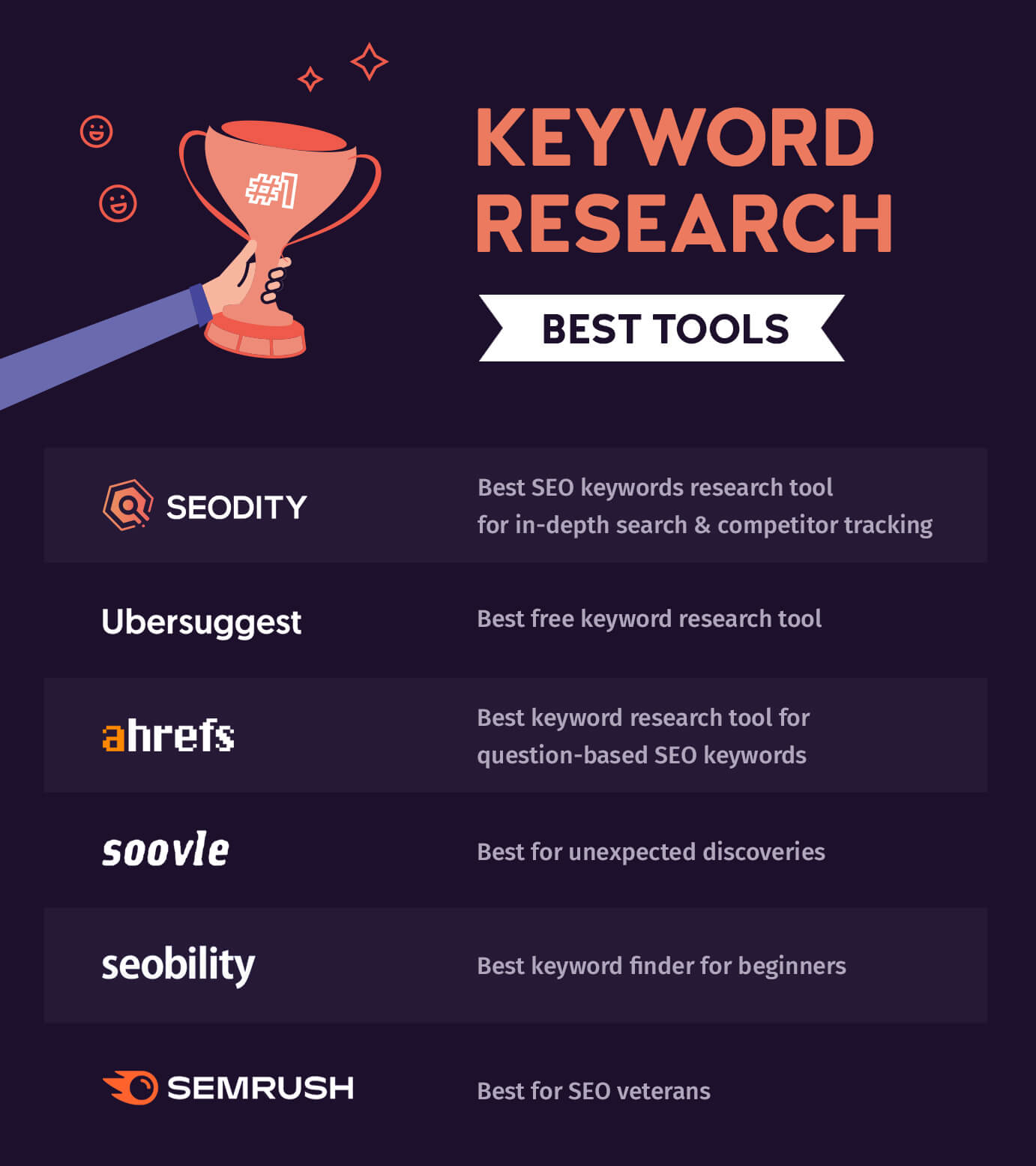
The Free Tool Stack That Boosts Your Research
No free tool is perfect alone. This stack fills the gaps and speeds up your work.
Google Search Console
- See real queries your site already earns.
- Spot quick wins from pages ranking 8–20 and keywords with high impressions.
Google Trends
- Compare interest over time and by region.
- Catch breakouts early and time seasonal content.
Ahrefs Free Keyword Generator
- Get keyword ideas with top 100 SERP results.
- Useful for quick difficulty signals and questions.
Keyword Surfer (Chrome)
- See volume estimates in the SERP.
- Build topic ideas as you search.
AlsoAsked or People Also Ask explorers
- Map common questions into clean clusters.
- Great for H2 and H3 ideas in one post.
Together, these tools answer what is the best free keyword research tool for SEO in a practical way: use Google Keyword Planner for the base, then enrich and validate with this stack.

Side-by-Side Snapshot: Top Free Tools Compared
Here is how leading free tools stack up for day-to-day SEO work.
- Google Keyword Planner: Best base data, strong for volume ranges and ideas. Weak on difficulty and exact volumes for SEO.
- Google Search Console: Best for your site’s live query data. Not helpful for new topics you do not rank for yet.
- Google Trends: Best for timing and regional focus. No keyword volume numbers.
- Ahrefs Free Keyword Generator: Best quick SERP peek and related ideas. Daily limits apply.
- Keyword Surfer: Best in-SERP ideation. Estimates can vary.
- AlsoAsked/PAA tools: Best for question mining. No volume or KD.
When you ask what is the best free keyword research tool for SEO, the answer is Google Keyword Planner for the core, with these tools as targeted add-ons.

Real Case Study: From Idea To Rankings With Only Free Tools
A few months ago, I helped a small fitness brand grow blog traffic without paid tools. The niche was home workouts.
What we did:
- Used Google Keyword Planner to find “resistance band workouts” clusters and long-tail ideas like “resistance band workout for beginners at home.”
- Checked Google Trends to confirm steady demand and a January spike.
- Pulled PAA questions and built a guide with clear H2s and short answers.
- Used Search Console after 3 weeks to spot rising terms and added two FAQs.
What happened:
- Within 60 days, three posts hit the top 5 for long-tail terms.
- Clicks rose 140% quarter over quarter.
- The team now repeats the same playbook. They still ask what is the best free keyword research tool for SEO, and they keep landing on Google Keyword Planner plus this stack.

Pitfalls To Avoid And Pro Tips
Common mistakes:
- Chasing only head terms. You skip long-tail wins and stall growth.
- Ignoring intent. You write a how-to for a “buy” query and miss the click.
- Over-trusting one metric. Volume and difficulty estimates all have noise.
Pro tips that work:
- Build clusters, not one-off posts. Cover a topic deep and wide.
- Write fast drafts, then tighten. Short, clear, helpful content wins.
- Refresh posts every 3–6 months. Add new FAQs and internal links.
- Keep asking what is the best free keyword research tool for SEO for your use case. Your mix may shift as your site grows.

Frequently Asked Questions of what is the best free keyword research tool for seo
Is Google Keyword Planner really free for SEO work?
Yes. You only need a Google Ads account to access it, and you do not need to run ads. It works well for research even if your goal is organic traffic.
Do I need exact search volumes to win?
No. Ranges and trends are enough to plan clusters and find long-tail ideas. Match intent and publish consistent, helpful content.
What is the best free keyword research tool for SEO if I want difficulty scores?
Use Ahrefs Free Keyword Generator for a quick difficulty signal. Pair it with live SERP checks for a more accurate view.
Can I do all my research without paid tools?
Yes, if you are willing to cross-check data and read SERPs. Many sites grow fast using only Google Keyword Planner, Search Console, and Trends.
How often should I refresh keyword research?
Do it quarterly for evergreen topics and monthly for fast-moving niches. This keeps you aligned with intent shifts and seasonality.
What is the best free keyword research tool for SEO for local businesses?
Google Keyword Planner with location filters is best. Add Google Trends and Search Console to see local interest and actual queries.
How do I find questions people ask about my topic?
Use People Also Ask explorers and scan SERPs. Add the best questions as H2 or FAQ sections in your post.
Conclusion
If you want a single answer to what is the best free keyword research tool for SEO, choose Google Keyword Planner. It gives you a strong base of real search data, and when you pair it with Search Console, Trends, and a couple of free helpers, you get everything you need to plan, write, and rank.
Try this today: pick one topic, build a cluster from Google Keyword Planner, validate with Trends, and map out five posts. Publish two this week. Then check Search Console in 14 days and refine. If you found this helpful, subscribe for more hands-on SEO playbooks or leave a comment with your niche and I’ll suggest a starter cluster.
My Best Recommended Keyword Research Tool—Get Started Here >>