

What Are The Top Affiliate Programs in 2026: Ready to Earn Online
The top affiliate programs in the United States include Amazon Associates, Walmart Creator, eBay Partner Network, Shopify Collabs, impact.com, CJ Affiliate, Rakuten Advertising, Awin, and PartnerStack. The best choice depends on your audience, content type, traffic source, product category, and tolerance for approval rules and changing commission rates.
For most US beginners, Amazon Associates is easy to understand because shoppers already know Amazon. For higher-value business software, PartnerStack or impact.com may offer better earnings per referral. For creators who review physical products, Walmart Creator, eBay, and direct brand programs can also be useful.
No affiliate program is best for every publisher. Compare the commission structure, cookie period, payment rules, product fit, approval process, and disclosure requirements before you apply.
What Is an Affiliate Program?
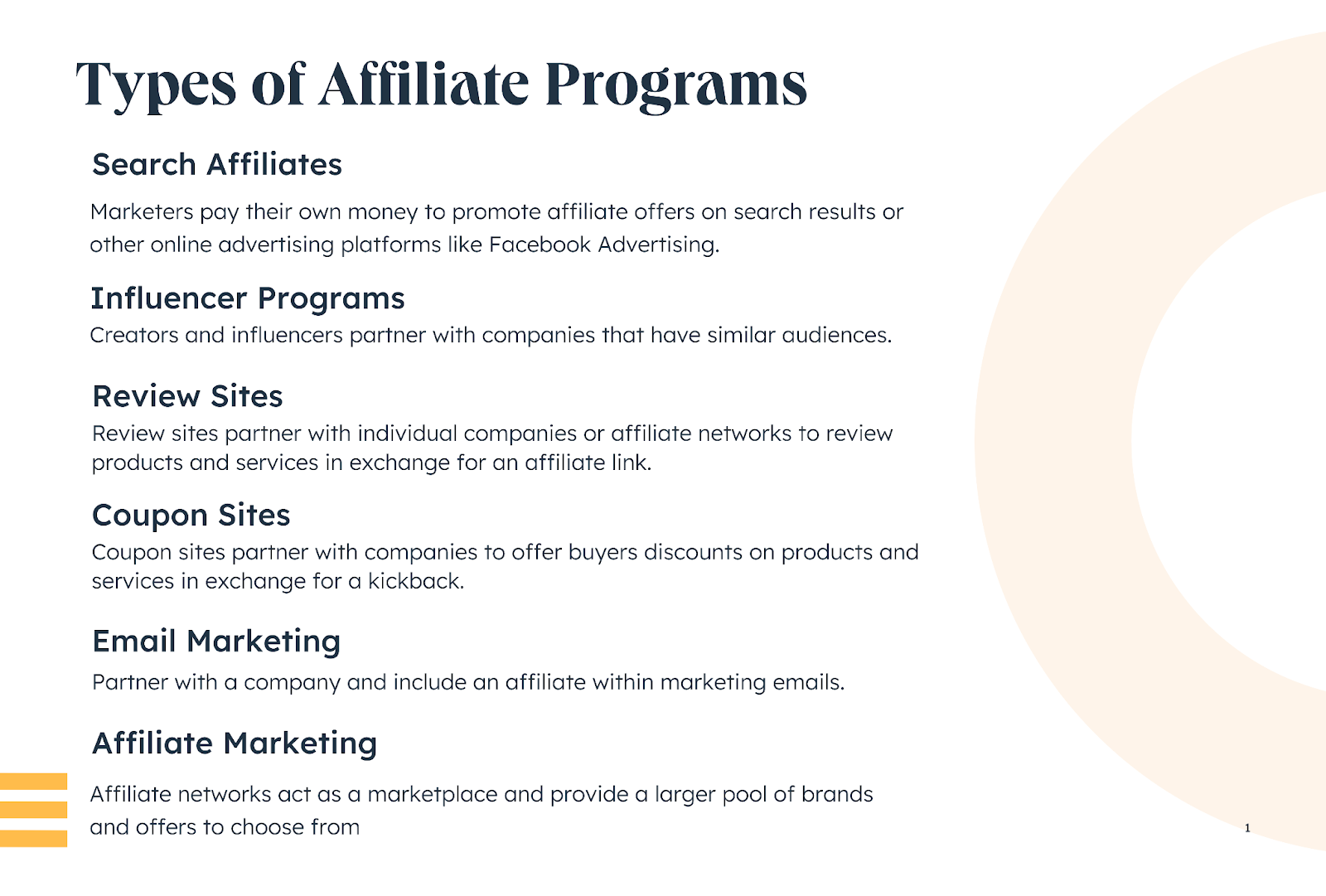
An affiliate program lets a publisher earn a commission for sending a customer to a merchant. The publisher receives a tracked link, places it in content, and earns money when a visitor completes a qualifying action.
The action may be:
- Buying a product
- Starting a paid subscription
- Filling out a lead form
- Opening a bank account
- Booking travel
- Signing up for software
- Completing another action set by the merchant
Most programs use a tracking link with an affiliate ID. A tracking platform records the click and connects it with a later sale or lead.
Affiliate income is not guaranteed. It depends on traffic quality, buyer intent, conversion rate, commission value, refunds, program rules, and merchant approval.
The Top Affiliate Programs for US Publishers
The programs below are strong choices for different types of US websites, newsletters, YouTube channels, social accounts, and niche communities. They are listed by practical use rather than by an unsupported overall ranking.
1. Amazon Associates: Best for Broad Product Content
Amazon Associates is one of the most recognizable affiliate programs for physical products. It fits websites and channels that publish product reviews, gift guides, comparisons, buying guides, and tutorials.
Best for:
- Product review websites
- Home and kitchen content
- Consumer electronics
- Hobby blogs
- Gift guides
- YouTube product demonstrations
Amazon offers millions of products, which makes it easy to match links with many topics. However, commission rates vary by product category and can change. The program also has strict operating rules, including requirements for qualifying sales and link disclosures.
Amazon’s official operating agreement and commission schedule should be checked before publishing. Start with the Amazon Associates Program.
Main advantage: Large product selection and strong shopper familiarity.
Main limitation: Rates may be modest, and Amazon can change commission terms or remove products from its catalog.
2. Walmart Creator: Best for Walmart-Focused Product Recommendations
Walmart Creator is designed for creators who recommend products sold through Walmart. It may suit short-form video, social media, product lists, and lifestyle content aimed at US shoppers.
Best for:
- TikTok and Instagram creators
- Family and household content
- Grocery and home product recommendations
- Affordable product roundups
- Walmart-focused shopping guides
Walmart’s program rules, eligible channels, and payout terms can change. Review the current requirements on the Walmart Creator website before applying.
Main advantage: A familiar US retailer with a wide range of products.
Main limitation: It is most useful when your audience already shops at Walmart or responds well to Walmart links.
3. eBay Partner Network: Best for Unique, Used, and Collectible Products
The eBay Partner Network can be a good fit for content about collectibles, refurbished goods, rare items, auto parts, fashion, electronics, and hard-to-find products.
Best for:
- Collectibles
- Used electronics
- Car parts
- Vintage clothing
- Trading cards
- Resale and deal content
eBay’s marketplace changes quickly. A product may be available from one seller and gone the next day. This creates a useful opportunity for discovery-based content, but it also creates link maintenance work.
Learn more at the eBay Partner Network.
Main advantage: Access to products that may not be available from standard retailers.
Main limitation: Product quality, shipping, seller reliability, and inventory can vary.
4. Shopify Affiliate Program: Best for Ecommerce Education
The Shopify Affiliate Program suits publishers who teach readers how to start, manage, or grow an online store. It is more focused than a general retail program because the visitor usually needs to start or use Shopify.
Best for:
- Ecommerce blogs
- Entrepreneurship websites
- YouTube business channels
- Email newsletters about online stores
- Website and marketing tutorials
Content should explain who Shopify fits and who may need another platform. A clear tutorial is usually more useful than a simple promotional link.
Visit the Shopify Affiliate Program for current terms and eligibility information.
Main advantage: A focused offer with a clear business use case.
Main limitation: It may not fit readers who are not planning to run an online store.
5. PartnerStack: Best for B2B Software and SaaS
PartnerStack connects publishers and partners with business software companies. It is often relevant to content about marketing, sales, project management, finance, customer support, and productivity tools.
Best for:
- B2B software websites
- Startup newsletters
- Marketing consultants
- Business YouTube channels
- SaaS comparison sites
Software programs may pay a recurring commission, a one-time commission, or a reward based on a qualified lead. Recurring payments can be attractive, but they depend on the customer staying subscribed and on the specific partner agreement.
Explore available opportunities through PartnerStack.
Main advantage: Software products can have higher customer value than many low-cost physical products.
Main limitation: Approval may be selective, and software programs often have detailed attribution rules.
6. impact.com: Best for Managing Multiple Brand Partnerships
impact.com is a partnership management platform used by brands, retailers, creators, and publishers. It is not one single merchant offer. Available programs, commission rates, and application rules differ by advertiser.
Best for:
- Established content publishers
- Influencers and creators
- Comparison websites
- App and software publishers
- Publishers seeking several brand relationships
The platform may support affiliate links, creator campaigns, and other partnership types. Read each advertiser’s terms instead of assuming that all offers work the same way.
Visit impact.com to review its publisher and partner options.
Main advantage: One platform can provide access to many brand programs.
Main limitation: A network account does not guarantee acceptance into every advertiser program.
7. CJ Affiliate: Best for Established Content Sites
CJ Affiliate, formerly Commission Junction, is a large affiliate network with advertisers in retail, travel, finance, software, and other categories.
Best for:
- Established blogs
- Review websites
- Travel publishers
- Finance education sites
- Publishers with a defined niche
CJ gives publishers access to multiple advertisers, but each advertiser may use different requirements, commission terms, and tracking rules.
See the CJ Affiliate publisher page.
Main advantage: Broad advertiser coverage across many industries.
Main limitation: New publishers may need to build a credible website and explain their promotional methods clearly.
8. Rakuten Advertising: Best for Recognized Retail Brands
Rakuten Advertising operates affiliate programs for many brands and retailers. It can suit publishers who create shopping guides, fashion content, travel pages, and product comparisons.
Best for:
- Fashion publishers
- Retail content
- Travel websites
- Lifestyle blogs
- Coupon and deal publishers
Advertiser access and terms vary. A publisher may be accepted by the network but declined by a specific brand.
Review the Rakuten Advertising publisher information.
Main advantage: Potential access to well-known brands.
Main limitation: Individual advertiser approval is still a key part of the process.
9. Awin: Best for International and Niche Advertisers
Awin is a global affiliate network with advertisers in retail, travel, finance, telecommunications, and other sectors. It is useful for publishers whose audiences include people in the United States and other countries.
Awin also acquired ShareASale. Because network ownership, advertiser availability, and account processes can change, check Awin’s current publisher information rather than relying on older ShareASale guides.
Visit Awin’s publisher page.
Main advantage: Broad international coverage and varied advertiser categories.
Main limitation: A program available in one country may not be available to US publishers or US customers.
10. Direct Brand Affiliate Programs: Best for Specialized Niches
Some companies run their own affiliate programs instead of using a major network. These programs may be managed through tools such as Refersion, Everflow, TUNE, or another tracking platform.
Best for:
- Specialized product reviews
- Professional equipment
- Fitness and outdoor products
- Education products
- Premium software
- Industry-specific services
A direct program may offer better communication with the merchant, but it can also require more research and manual link management.
Look for an “Affiliates,” “Partners,” or “Referral Program” page on the company’s official website. Confirm that the program is intended for US publishers and that its terms explain payment, refunds, prohibited traffic, and attribution.
Main advantage: A close fit between the product and a narrow audience.
Main limitation: Smaller programs may have less stable tracking, fewer support resources, or limited payment options.

Affiliate Program Comparison
The following table gives a practical starting point. It does not assign fixed commission rates because those rates vary by advertiser, category, promotion, country, and date.
| Program or network | Strong fit | Product type | Approval pattern | Key trade-off |
|---|---|---|---|---|
| Amazon Associates | Broad product content | Physical products | Program and rule review | Easy product matching, often lower rates |
| Walmart Creator | US retail creators | Physical products | Creator eligibility and channel review | Strong retail fit, narrower audience preference |
| eBay Partner Network | Unique or used products | Marketplace goods | Network and policy review | Large selection, changing inventory |
| Shopify | Ecommerce education | Software | Application and content review | Clear offer, limited to store-related readers |
| PartnerStack | B2B content | SaaS and business tools | Program-by-program approval | Higher-value offers, more selective partnerships |
| impact.com | Multi-brand publishers | Products, services, software | Network and advertiser approval | Broad access, varied terms |
| CJ Affiliate | Established publishers | Retail, travel, software, and more | Network and advertiser approval | Many choices, more account management |
| Rakuten Advertising | Retail and lifestyle content | Brand products and services | Network and advertiser approval | Recognized brands, individual acceptance needed |
| Awin | Niche and international publishers | Products and services | Network and advertiser approval | Global reach, country restrictions |
| Direct brand program | Specialized publishers | Brand-specific offers | Merchant-defined | Strong relevance, less standardization |
The table’s central lesson is simple: choose the program that matches your audience’s buying intent, not the program with the most famous name.
A reader searching for “best accounting software for a small business” may be more valuable to a B2B software program than a reader browsing a general product list. A reader searching for “best budget air fryer” may fit a retail program better.
How to Choose the Best Affiliate Program
Use a short screening process before you apply. It can prevent wasted content and broken links.
1. Match the offer to the reader
Ask what your audience already wants to do:
- Buy a product
- Compare services
- Start a business
- Book a trip
- Solve a work problem
- Learn a skill
- Save money
The affiliate offer should solve that same problem. Relevance usually matters more than a high advertised commission.
2. Check the actual commission event
A “commission” may be paid for different actions. Confirm whether the program pays for:
- A completed sale
- A lead
- A free trial
- A paid subscription
- A qualified application
- A first purchase only
- A recurring subscription
Also check whether returns, cancellations, chargebacks, and self-referrals remove the commission.
3. Review the cookie and attribution rules
A cookie period is the time in which a later action may receive credit for your referral. Some programs use other methods, such as last-click attribution, coupon-code attribution, or cross-device tracking.
Do not assume that the longest cookie always wins. A shorter window can still perform well if visitors buy quickly. A longer window may not help if another channel receives credit first.
4. Check payment details
Before joining, review:
- Minimum payout threshold
- Payment method
- Payment schedule
- Supported countries
- Tax form requirements
- Currency conversion rules
- Payment reversal rules
US publishers may be asked for tax information such as a Form W-9. Keep records of affiliate income and expenses, and consult a tax professional for advice about your situation.
5. Read traffic and promotion restrictions
Programs may restrict:
- Paid search bidding on brand terms
- Email promotions
- Coupon sites
- Trademark use
- Browser extensions
- Incentivized traffic
- Software downloads
- Social media promotion
- Certain paid ads
Breaking the rules can lead to canceled commissions or account closure. The official program agreement controls.
6. Estimate earnings with a simple model
Use this formula:
Estimated earnings = visitors × click-through rate × conversion rate × average commission
For a hypothetical example:
- 10,000 monthly page visitors
- 5% click-through rate
- 4% conversion rate
- $8 average commission
The calculation is:
10,000 × 0.05 × 0.04 × $8 = $160 per month
This is only an estimate. It does not include returns, tracking loss, ad costs, taxes, content costs, or changes in commission terms.

Affiliate Disclosure Rules for US Publishers
US publishers should clearly disclose material connections with merchants. The Federal Trade Commission says endorsements and affiliate relationships should be disclosed when the relationship could affect how readers evaluate the recommendation.
A short disclosure near the recommendation is often clearer than a hidden statement on a separate page. For example:
This article contains affiliate links. If you buy through one of these links, we may earn a commission at no extra cost to you.
The disclosure should be easy to see and understand. Avoid vague phrases such as “partner link” if the average reader may not understand what that means.
Place the disclosure where the reader will see it before or when they use the affiliate link. Review the FTC Endorsement Guides and the FTC guidance for influencers.
A disclosure does not make a false claim acceptable. Describe products accurately, identify limitations, and do not claim personal use if you have not used the product.
Common Affiliate Marketing Mistakes
The most common mistakes are usually simple: poor product fit, unclear disclosures, weak link maintenance, and overreliance on one merchant.
Choosing the highest commission instead of the best fit
A high payout cannot fix a product that your audience does not need. Start with search intent and audience trust.
Publishing old commission information
Rates, cookie terms, approved countries, and eligible products can change. Link to the official program terms and check important details before publishing or updating an article.
Using affiliate links without useful content
A list of links gives readers little reason to click. Add original value through comparisons, decision rules, setup steps, limitations, or clearly labeled personal testing when testing actually occurred.
Ignoring merchant and platform rules
A program may prohibit certain keywords, ad types, coupon methods, or promotional channels. Read the terms before using paid ads or email campaigns.
Relying on one program
A retailer can change rates, remove products, or close an account. Build a balanced strategy with relevant alternatives, but do not add poor alternatives just to create more links.
Hiding the commercial relationship
A hidden or confusing disclosure can damage trust and create compliance risk. Keep it clear, close to the endorsement, and easy to read.
How to Start Affiliate Marketing in the United States
Follow these steps in order.
- Choose a focused topic. Pick a subject where you can answer real buying questions.
- Build a useful publishing channel. This may be a website, newsletter, YouTube channel, or permitted social account.
- Create helpful content first. Publish tutorials, comparisons, reviews, and problem-solving guides.
- Select two or three relevant programs. Compare their terms before applying.
- Apply with accurate information. Explain your audience, traffic sources, content type, and promotional methods.
- Add links only where they help. Do not place links in every paragraph.
- Add a clear disclosure. Put it near the recommendation or link.
- Track results. Measure clicks, conversions, earnings per click, refunds, and content costs.
- Update weak pages. Improve product fit, replace broken links, and remove unavailable offers.
- Keep records. Save program terms, payments, expenses, and tax documents.
Signs of a healthy affiliate setup include accurate links, clear disclosures, useful content, stable traffic sources, and earnings that do not depend on one page or one merchant.
If a program rejects your application, do not create misleading traffic or duplicate accounts. Improve the site, clarify your audience, review the program’s rules, and apply again only when you meet its requirements.

Key Takeaways
- Amazon Associates is a practical starting point for broad physical-product content.
- Walmart Creator can fit creators whose audiences shop at Walmart.
- eBay Partner Network works well for used, rare, collectible, and marketplace products.
- Shopify suits ecommerce education.
- PartnerStack is worth considering for B2B software content.
- CJ Affiliate, impact.com, Rakuten Advertising, and Awin provide access to multiple advertisers.
- Direct brand programs may be strongest for narrow, specialized topics.
- Commission rates are only one part of the decision.
- Always check current terms, payment rules, restrictions, and FTC disclosure guidance.
Frequently Asked Questions
What is the best affiliate program for beginners?
Amazon Associates is often easy for beginners to understand because it offers many products and serves familiar shoppers. However, it is not automatically the most profitable choice. A smaller program may fit better if your audience has a focused need, such as business software or professional equipment.
Can I join more than one affiliate program?
Yes. Many publishers use several programs when each one serves a different reader need. Keep the number manageable, disclose the relationships, and avoid sending readers to weak or poorly matched offers.
Do I need a website to become an affiliate?
Not always. Some programs accept creators who use YouTube, newsletters, or social platforms. Each program sets its own rules. Apply only with channels that the program permits and can review.
How much money can affiliate marketing make?
There is no standard income level. Earnings depend on traffic, conversion rate, commission value, product returns, audience trust, and operating costs. Use the earnings formula as a planning tool, not as a promise.
Are affiliate commissions taxable in the United States?
Affiliate income may create federal, state, or local tax obligations. Your filing requirements depend on your business structure, income, expenses, and location. Keep accurate records and ask a qualified tax professional for advice about your circumstances.
Should I use affiliate links on every page?
No. Use links where they help readers make a decision or complete a task. Pages with no relevant commercial intent may be more useful as educational content without affiliate links.
Conclusion
The top affiliate program is the one that fits your audience and content. Start with the reader’s problem, then choose a merchant or network that offers a credible solution, fair tracking, clear payment terms, and rules you can follow.
For a next step, choose one content topic, compare two relevant programs, read their current agreements, and publish a useful guide with a clear US affiliate disclosure.


