
How Much Does It Cost To Start A Blog: Complete Beginner Guide 2026
You can start a blog for $50 to $250 in the first year, then scale costs as it grows.
How much does it cost to start a blog depends on your platform, hosting plan, design needs, and business goals. A simple personal blog can cost less than $100, while a polished business blog may require $500 or more in its first year. This guide breaks down each expense so you can build a realistic budget, avoid waste, and invest in the tools that matter.
How Much Does It Cost To Start A Blog?
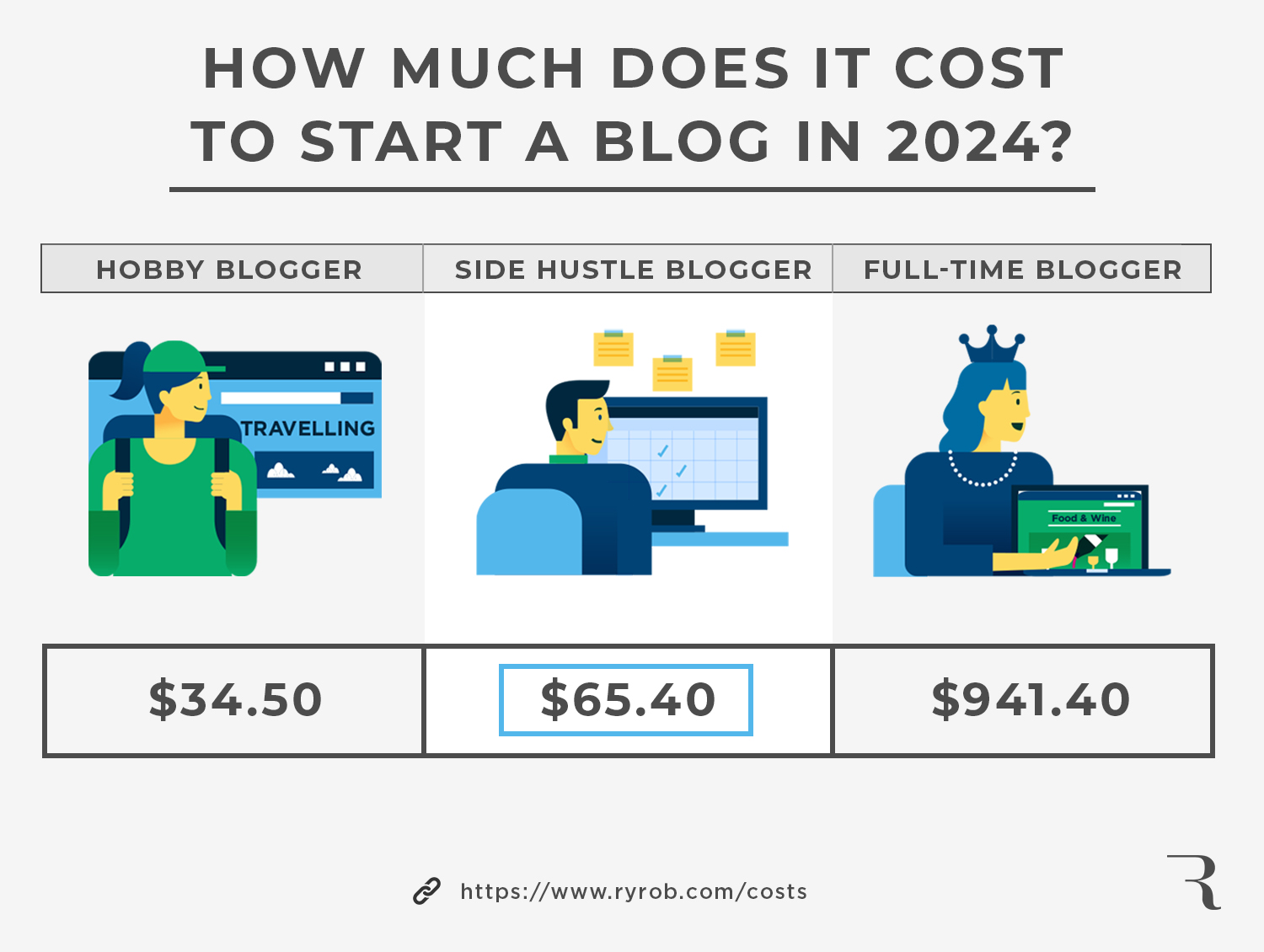
For most beginners, how much does it cost to start a blog falls into three common ranges:
| Blog type | Estimated first-year cost | Best for |
|---|---|---|
| Basic personal blog | $50 to $150 | Journaling, hobbies, and personal stories |
| Serious content blog | $150 to $500 | Growing traffic and earning income |
| Professional business blog | $500 to $2,000+ | Companies, teams, and online brands |
These figures usually include a domain name, web hosting, a content management system, and a basic design. They do not always include paid writers, advertising, email marketing, premium courses, or custom development.
You can also start with free tools. However, free blogging platforms often limit your control, branding, design, and income options. If you want to build a long-term asset, a self-hosted blog gives you more ownership.
The best starting budget is not the largest one. It is the budget that supports consistent publishing without creating financial stress.
The Main Costs Of Starting A Blog
When people ask how much does it cost to start a blog, they often think only about hosting. In practice, a blog has several possible expenses.
Domain name
Your domain is your blog’s web address, such as yourblog.com. A standard .com domain often costs about $10 to $25 per year, depending on the registrar and any promotions.
Some domain endings cost more. For example:
• .com domains are widely recognized and usually affordable.
• .org domains often suit nonprofit or community projects.
• .co, .io, and other newer endings may cost more each year.
• Premium domains can cost hundreds or thousands of dollars.
Choose a short name that is easy to spell and remember. Avoid buying an expensive domain at the start unless the name has a clear business value.
Web hosting
Web hosting stores your blog files and delivers them to visitors. Entry-level shared hosting often costs about $3 to $15 per month when paid annually. Renewal prices may rise after the first term.
Hosting plans usually include:
• Storage for your website files
• A free or discounted domain for the first year
• An SSL certificate for website security
• Email accounts
• WordPress installation
• Customer support
Very cheap hosting can work for a new blog. Still, slow servers, poor support, and strict limits can create problems later. Look for automatic backups, strong uptime, simple site management, and an easy upgrade path.
Blogging platform
Your blogging platform is the software used to publish and manage content. WordPress.org is a popular self-hosted choice because it offers strong control and thousands of themes and plugins.
The software itself can be free. You still pay for hosting and a domain.
Other options may charge a monthly fee. These platforms can be easier for beginners because hosting, security, and updates are often managed for you. The trade-off is less control and a recurring subscription.
Website theme
A free theme can make your blog look professional without adding to your budget. Paid themes often cost $30 to $100, either as a one-time purchase or an annual license.
A premium theme may offer:
• Better mobile design
• More layout options
• Faster support
• Built-in templates
• Improved customization
Do not buy a theme just because it looks attractive in a demo. Check its speed, mobile layout, update history, reviews, and compatibility with your chosen platform.
Plugins and extra tools
Plugins add features to a blog. Some are free, while premium versions may cost $20 to $200 per year.
Common plugin categories include:
• Search engine optimization
• Contact forms
• Website security
• Backup management
• Spam protection
• Image compression
• Analytics
A common beginner mistake is installing too many plugins. Each extra tool can increase security risks, slow your site, or cause conflicts. Start with only the features you truly need.

Source: productiveblogging.com
A Realistic First-Year Blog Budget
A simple budget makes how much does it cost to start a blog easier to understand. Here is an example of a low-cost self-hosted setup:
| Item | Estimated cost |
|---|---|
| Domain name | $12 to $25 |
| Hosting for one year | $50 to $180 |
| Free website theme | $0 |
| Essential free plugins | $0 |
| Logo made with a free tool | $0 |
| Basic email service | $0 to $60 |
| Total | $62 to $265 |
A more polished setup might include a premium theme, paid email service, stock photos, and professional branding.
| Item | Estimated cost |
|---|---|
| Domain name | $15 to $30 |
| Better hosting | $120 to $300 |
| Premium theme | $40 to $100 |
| Premium plugins | $50 to $250 |
| Email marketing | $100 to $500 |
| Logo or brand design | $50 to $500 |
| Total | $375 to $1,680 |
These are planning ranges, not fixed prices. Providers change their discounts, renewal rates, and feature limits. Always check the full renewal price before purchasing a plan.
Source: sitesell.com
Free Blogging Versus Paid Blogging
Free blogging can be useful when you want to test an idea. You can publish posts without buying hosting or a domain. This approach removes financial risk and helps you learn the basics.
The limits can become clear over time. A free platform may place its branding on your site, restrict design choices, or limit your access to data. Some platforms also control advertising and monetization options.
A paid blog usually gives you:
• Your own domain
• Greater design control
• Better ownership of your content
• More monetization choices
• Access to advanced tools
• A stronger professional image
Think of free blogging as renting a small room. Self-hosting is closer to owning a small piece of land. Renting is easier at first, but ownership gives you more control.
For a hobby blog, free may be enough. For a blog that supports a business, personal brand, or income plan, paid hosting is usually the better long-term choice.

Source: hubspot.com
Optional Costs That Can Increase Your Budget
How much does it cost to start a blog can change sharply when you add services that save time or improve quality. These costs are optional, but some become valuable as your traffic grows.
Content writing
Writing your own posts costs money in time rather than cash. If you hire a writer, rates may range from $50 to $500 or more per article. The price depends on research depth, word count, subject expertise, and editing needs.
Cheap content can look attractive, but poor research may damage your reputation. For topics related to health, finance, law, or safety, experienced writers and careful fact-checking are especially important.
Editing and proofreading
An editor can improve clarity, grammar, structure, and accuracy. Basic proofreading may cost less than full editing. A detailed edit can cost much more, especially for technical content.
If you cannot hire an editor, use a trusted writing tool and read each article aloud. Tools can spot errors, but they cannot reliably judge every fact or argument.
Email marketing
An email list helps you communicate with readers without relying only on search engines or social media. Many email services offer free plans for small lists. Paid plans often start around $10 to $30 per month and rise with subscriber count.
Email marketing can include:
• A newsletter
• Welcome messages
• Automated content sequences
• Product announcements
• Downloadable guides
Starting early is useful, but you do not need an expensive system on day one.
Images and photography
You can find free images through reputable image libraries. Paid stock photos may cost a few dollars per image or come through a monthly subscription.
Original photos, illustrations, charts, and screenshots can make a blog more useful. Never copy images from search results without checking usage rights.
Search engine optimization tools
Basic SEO can be done with free tools. Paid platforms may cost $20 to $150 or more per month. They can help with keyword research, competitor analysis, backlink checks, and ranking reports.
New bloggers often buy expensive SEO software too soon. A simple spreadsheet, clear topic plan, and helpful content can take you far before a paid tool becomes necessary.
Advertising and promotion
You can promote a blog through organic social posts, online communities, partnerships, or paid ads. Paid advertising may cost $50 to several thousand dollars, depending on the goal and audience.
Promotion should come after you understand your content and readers. Sending paid traffic to weak pages can waste money quickly.

Source: wix.com
How Much Does It Cost To Start A Blog That Makes Money?
A money-making blog may cost $200 to $1,000 in its first year, depending on your strategy. You may need better hosting, email marketing, content help, design tools, and business software.
Possible income sources include:
• Display advertising
• Digital products
• Online courses
• Coaching
• Freelance services
Costs often rise when you begin selling. For example, an online store may require payment processing, sales tax tools, product photography, customer support, and inventory.
Do not spend heavily before proving demand. Publish useful content, study reader questions, and test a small offer first. A simple ebook or consultation can teach you more than a large investment in untested products.
The goal is not to spend money to look successful. The goal is to spend carefully on systems that help readers and support sustainable growth.
Source: youstable.com
How To Start A Blog On A Small Budget
If your budget is limited, you can still create a strong foundation. Follow these steps:
- Choose one clear topic and audience.
- Buy a simple .com domain if it is available at a fair price.
- Select reliable entry-level hosting.
- Install a trusted blogging platform.
- Use a fast, free theme.
- Create key pages such as About, Contact, Privacy Policy, and Terms.
- Set up basic analytics and search tools.
- Write useful posts that answer real questions.
- Build an email list when your content begins attracting readers.
- Upgrade only when a clear problem justifies the cost.
This approach keeps your expenses low and your learning high. You can improve your design later after you understand what readers want.
A good early blog is like a clean, useful workshop. It does not need luxury furniture. It needs the right tools and steady work.

Source: wix.com
Costs New Bloggers Often Forget
The question how much does it cost to start a blog is incomplete without looking at hidden or delayed costs. Small charges can add up when they are not part of your original plan.
Watch for these expenses:
• Hosting renewal fees after the introductory period
• Domain renewal and privacy fees
• Premium plugin renewals
• Email service charges as your list grows
• Website backups
• Security monitoring
• Freelance design or writing
• Business registration
• Accounting software
• Payment processing
• Tax preparation
You may also spend time learning website design, SEO, writing, photography, and marketing. Time is a real business cost, even when no money leaves your bank account.
Keep a simple spreadsheet for every subscription. Review it every three months. Cancel tools you do not use, and avoid annual plans until you know the service fits your needs.

Source: productiveblogging.com
How To Reduce Blog Startup Costs
You do not need to cut every expense. You need to remove waste.
Use these practical savings tips:
• Compare the renewal price, not just the introductory price.
• Start with free themes and essential plugins.
• Learn basic image editing and site management.
• Write your first articles yourself.
• Use free analytics and keyword research tools.
• Buy one tool only when it solves a specific problem.
• Avoid custom development before your blog has clear traction.
• Pay for quality help in areas that affect trust, such as editing and security.
One useful lesson from helping people plan websites is that rushed spending causes more trouble than slow growth. Many beginners buy a logo, expensive theme, and several courses before publishing ten useful posts. Content and reader feedback should guide most later purchases.
Is Starting A Blog Worth The Cost?
Starting a blog can be worth the cost if you view it as a long-term project rather than a fast income scheme. A blog can build authority, attract customers, support a career, or create a library of useful work.
However, results are not guaranteed. Search rankings can change, social platforms can limit reach, and many blogs never earn enough to cover their expenses. Your topic, content quality, publishing habits, promotion, and business model all matter.
A blog is most valuable when it connects to a clear purpose. That purpose could be teaching, selling, documenting a hobby, building a portfolio, or growing a company.
Before spending money, answer three questions:
• Who will read this blog?
• What problem will it solve?
• How could it support my personal or business goals?
If you can answer those questions clearly, your budget decisions become much easier.
A Simple Blog Cost Checklist
Use this checklist before you launch:
• Choose a focused topic.
• Select a memorable domain.
• Compare hosting features and renewal rates.
• Decide whether you need self-hosting.
• Create a basic brand style.
• Set up website security.
• Install analytics.
• Create legal and contact pages.
• Plan at least ten useful articles.
• Set a monthly spending limit.
• Track every subscription.
• Review results before upgrading.
This checklist helps you avoid the most common early mistake: building a beautiful blog without a clear content plan.
Frequently Asked Questions About How Much Does It Cost To Start A Blog
Can I start a blog with no money?
Yes, you can use a free blogging platform and free design tools. However, a free blog may have limits on branding, ownership, customization, and monetization.
How much does it cost to start a blog on WordPress?
A self-hosted WordPress blog often costs about $60 to $300 in its first year for a domain and hosting. Premium themes, plugins, email tools, and professional services can increase the total.
Is blogging expensive after the first year?
The ongoing cost can remain between $50 and $500 per year for a basic blog. Renewal rates, email subscribers, paid tools, writers, and marketing can raise the annual budget.
Do I need to pay for a premium WordPress theme?
No. A free theme can work well when it is fast, secure, mobile-friendly, and regularly updated. A premium theme becomes useful when you need better support or advanced layouts.
How long does it take for a blog to make money?
There is no fixed timeline. Some blogs earn within months, while others take a year or longer because traffic, trust, and useful content take time to build.
What is the cheapest way to start a blog?
The cheapest paid approach is usually a low-cost domain, entry-level hosting, a free theme, and free essential tools. You can create your own content and upgrade only when the blog earns or grows.
Should I spend money on SEO tools when starting?
Most beginners can start with free SEO tools and careful research. Paid tools may help later, but they cannot replace useful content, accurate information, strong structure, and a clear understanding of your audience.
Conclusion
How much does it cost to start a blog usually ranges from $50 to $250 for a simple first-year setup and $500 or more for a professional project. Your main costs are the domain, hosting, design, email marketing, content, and optional business tools.
Start with a clear topic, reliable hosting, useful content, and a small budget. Track your expenses, avoid unused subscriptions, and invest more only when your readers or business goals support it. Build your blog one helpful post at a time, then explore more blogging resources and share your experience in the comments.


