

How To Find Keywords For Affiliate Marketing: Rank #1 on Google
Use buyer‑intent long‑tail terms, study SERPs, mine user language, and validate with data.
You want to know how to find keywords for affiliate marketing that bring real clicks and sales. I’ve helped brands and niche sites grow with this exact process. In this guide, I’ll show you simple steps, pro tips, and mistakes to avoid. If you follow along, you’ll leave with a repeatable system you can use today.

What Makes a Great Affiliate Keyword
A strong affiliate keyword shows buyer intent. It sounds like someone ready to compare, choose, or buy. Words like best, review, vs, compare, alternative, cheap, discount, and coupon are strong signs.
Look at four core signals. Volume shows demand. Difficulty shows how hard it is to rank. CPC hints at commercial value. SERP type shows intent and who wins now. If the first page is full of reviews and comparisons, you have a match.
Examples that convert well:
- best trail running shoes for flat feet
- iPhone 14 waterproof case review
- SiteGround vs Bluehost for beginners
- Oral‑B iO Series 9 coupon
Pro tip from the trenches: big head terms look nice, but long tails pay the bills. They are less tough, fit tight needs, and often convert better.

Step‑by‑Step: How to Find Keywords for Affiliate Marketing
-
Start with your niche map. List 5 to 10 buyer personas, their pains, and goals. Write what they type when they are close to buying.
-
Seed with modifiers. Add best, review, vs, alternative, for X, under $X, near me, size, color, quiet, wireless, travel, lightweight.
-
Use autocomplete loops. Type your seed in Google, YouTube, and Amazon. Add A to Z and record real phrases you see.
-
Pull People Also Ask ideas. Open a few PAA boxes and note question angles. Turn them into subtopics.
-
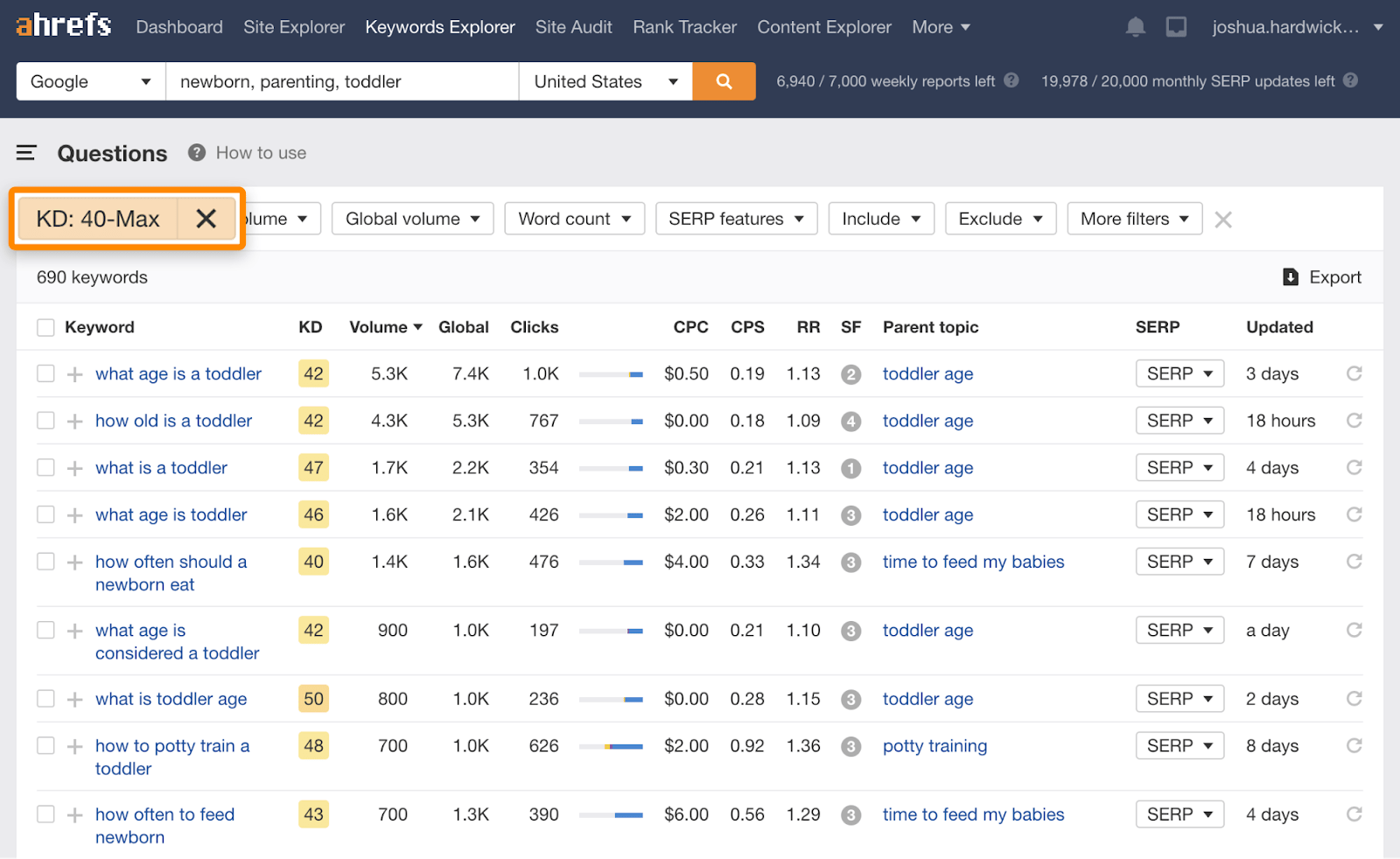
Check volume and difficulty. Use a tool to get volume, KD, and CPC. Flag terms with clear buyer intent.
-
Open the SERP. Look at top 10 results. Note content type, word count, and gaps. Ask: Can I add more trust, depth, and clarity?
-
Cluster close terms. Group terms that answer the same need. Pick one main keyword, then add 3 to 6 support terms.
-
Map to the funnel. Write list posts for “best,” single reviews for “review,” and comparisons for “vs.” Keep intent pure.
-
Validate with trends. Check seasonality and news. If demand is stable or rising, move it up your plan.
-
Estimate revenue. Use EPC or your past data. A small volume term with high EPC can beat a big one.
-
Prioritize. Choose easy wins first. Mix in a few mid‑term bets.
-
Draft outlines. Use real H2s that match search intent. Add pros and cons, specs, and helpful images.
This flow is how to find keywords for affiliate marketing that bring both traffic and sales. Keep it simple and repeat.

Free and Paid Tools That Work
Free tools you can trust:
- Google Search Console to see real queries and clicks from your site.
- Google Trends to spot seasonality and rising topics.
- Google Keyword Planner to gauge volume ranges and CPC.
- Google Autocomplete and People Also Ask to see real phrasing.
- AnswerThePublic or AlsoAsked to map questions and angles.
Paid tools that speed you up:
- Ahrefs and Semrush for volume, KD, and SERP charts.
- Moz for link and difficulty checks.
- Keywords Everywhere or LowFruits for quick intent checks right in the SERP.
- Rank trackers for daily positions.
Use tools to guide you, not to replace your eyes. Your SERP read is the final word.
Mine Buyer Language From Real Places
Your best keywords hide in the words buyers use. Go where they talk and complain.
Try these places:
- Reddit: Search product subreddits. Look for threads like “What’s the best X for Y?”
- Quora: Note how people frame problems and compare brands.
- Amazon: Study titles, bullet points, and reviews for modifiers and pain points.
- YouTube comments and TikTok: Catch objections and “wish it had” notes.
- Niche forums and Facebook groups: Harvest exact phrases and use them in your copy.
These spots teach you how to find keywords for affiliate marketing that reflect real needs. Use their words in your titles and H2s.

Analyze Search Intent Like a Pro
Intent is the heartbeat of SEO. Open the SERP and judge what Google wants to show.
Look for:
- Page type: List post, review, comparison, brand page, or guide.
- Domain mix: Are niche sites ranking, or only giants?
- SERP features: Ads, shopping, videos, PAA, and featured snippets.
If the SERP is full of stores and no reviews, a pure affiliate post may not win. If it is all “best” lists and reviews, you have a green light. This is the key step in how to find keywords for affiliate marketing that you can rank for.

Build Topic Clusters and Map to the Funnel
Group close terms into clusters. Build one strong pillar and link out to focused posts.
A sample cluster for trail running shoes:
- Pillar: Best trail running shoes for beginners
- Support: best trail running shoes for flat feet
- Support: Hoka vs Salomon trail shoes
- Support: trail running shoe size guide
- Support: how to clean trail running shoes
Map each to the funnel:
- TOFU: Guides and sizing help
- MOFU: Best lists and comparisons
- BOFU: Single reviews and coupons
This makes how to find keywords for affiliate marketing a plan, not a guess.

Score, Prioritize, and Set Targets
Use a simple score. Impact, Confidence, and Effort (ICE). Rate each idea from 1 to 10.
Tips:
- Low KD plus clear buyer intent is a fast win.
- CPC over average hints at strong value.
- Click potential matters. If the SERP has many ads and features, clicks may drop.
Set goals by cluster. For each page, set a rank goal, a time frame, and a revenue guess. This keeps you honest.

On‑Page SEO for Affiliate Keyword Wins
Make your page easy to trust and easy to scan.
Do this:
- Use the main keyword in the title, H1, first 100 words, and one H2.
- Add related terms and questions. Keep it natural.
- Show your hands. Add photos you took, tests you ran, and data you logged.
- Use pros and cons, specs, and a clear verdict box.
- Add comparison tables with key traits and who it suits.
- Use product, review, and FAQ schema where it fits.
- Link to sources and your internal pages.
- Disclose affiliate links. Keep trust high.
- Update winners and pricing often. Freshness matters.
These steps boost your odds when you work on how to find keywords for affiliate marketing.
Track Results and Iterate
Watch the data. Let it guide your next moves.
Track:
- Google Search Console for queries, positions, and CTR.
- Analytics for time on page and revenue per page.
- Rank trackers for day‑to‑day shifts.
Set review cycles. Every 30 to 90 days, refresh top pages, merge weak posts, and add missing subtopics. Let real queries spark new content. This is ongoing, not one and done.
Real Example: From Zero to Revenue With One Cluster
I launched a small “portable monitors” cluster on a fresh site. I used long‑tail buyer terms like best portable monitor for MacBook Air and ASUS Zenscreen review. I wrote from hands‑on tests and added my photos.
I picked low KD terms with clear intent and rising trends. Within three months, one list post ranked on page one. The cluster brought steady clicks and first sales. The big lesson: tight clusters and clear intent beat a random spread of posts.
Common Mistakes to Avoid
Avoid chasing volume only. A 300‑search long tail with strong intent may earn more than a 5,000‑search generic term.
Do not ignore the SERP. If it is full of brand pages and stores, rethink your angle.
Skip keyword stuffing. It hurts trust and can lower ranks. Use the main term a few times and fill the rest with natural language.
Do not copy top pages blindly. Add your data, photos, and tests. That is how you win.
Do not forget seasonality. Plan ahead for holidays and product cycles. Update fast when new models drop.
These fixes make how to find keywords for affiliate marketing safer and faster.
Frequently Asked Questions of how to find keywords for affiliate marketing
What is the easiest way to start keyword research for affiliates?
Begin with buyer‑intent modifiers like best, review, and vs. Use autocomplete and PAA to collect real phrases, then check volume and difficulty.
How many keywords should I target per page?
Focus on one main keyword and 3 to 6 closely related terms. Make sure all terms match one clear intent.
Are long‑tail keywords better for new sites?
Yes, long tails are less competitive and more specific. They are ideal for new sites that need early wins and conversions.
Which metrics matter most for affiliate keywords?
Look at intent first, then difficulty, CPC, and click potential. A modest volume keyword with clear buyer intent often performs best.
How often should I update affiliate content?
Review top pages every 60 to 90 days. Refresh winners, replace outdated picks, and add new models or FAQs based on real queries.
Conclusion
You now have a simple plan for how to find keywords for affiliate marketing that drive real sales. Start with intent, use real user language, read the SERP, and let data shape your moves. Build tight clusters, score ideas, and keep pages fresh.
Pick one cluster today. Run the steps, publish one great page, and track results. Want more hands‑on tips and checklists? Subscribe for new guides, or drop a comment with your niche and I’ll help you outline your next winner.
My Best Recommended Keyword Research Tool—Get Started Here >>



One Comment