

How To Build Website For Affiliate Marketing: Complete Beginner’s Guide
To build a website for affiliate marketing, choose a clear topic, buy a domain, set up a reliable website, publish useful content, join relevant affiliate programs, and promote products with honest disclosures. Your site earns a commission when a reader clicks your tracked link and completes a qualifying action, such as buying a product or starting a service.
For a U.S.-based audience, your website should also follow Federal Trade Commission (FTC) endorsement rules, use clear pricing and product claims, and consider U.S. sales tax, privacy, and email laws. Affiliate marketing can create income, but it is not a fast or guaranteed way to make money.

What Is an Affiliate Marketing Website?
An affiliate marketing website helps people choose, use, or compare products and services. The site owner earns a commission from a merchant or affiliate network when a reader takes a tracked action.
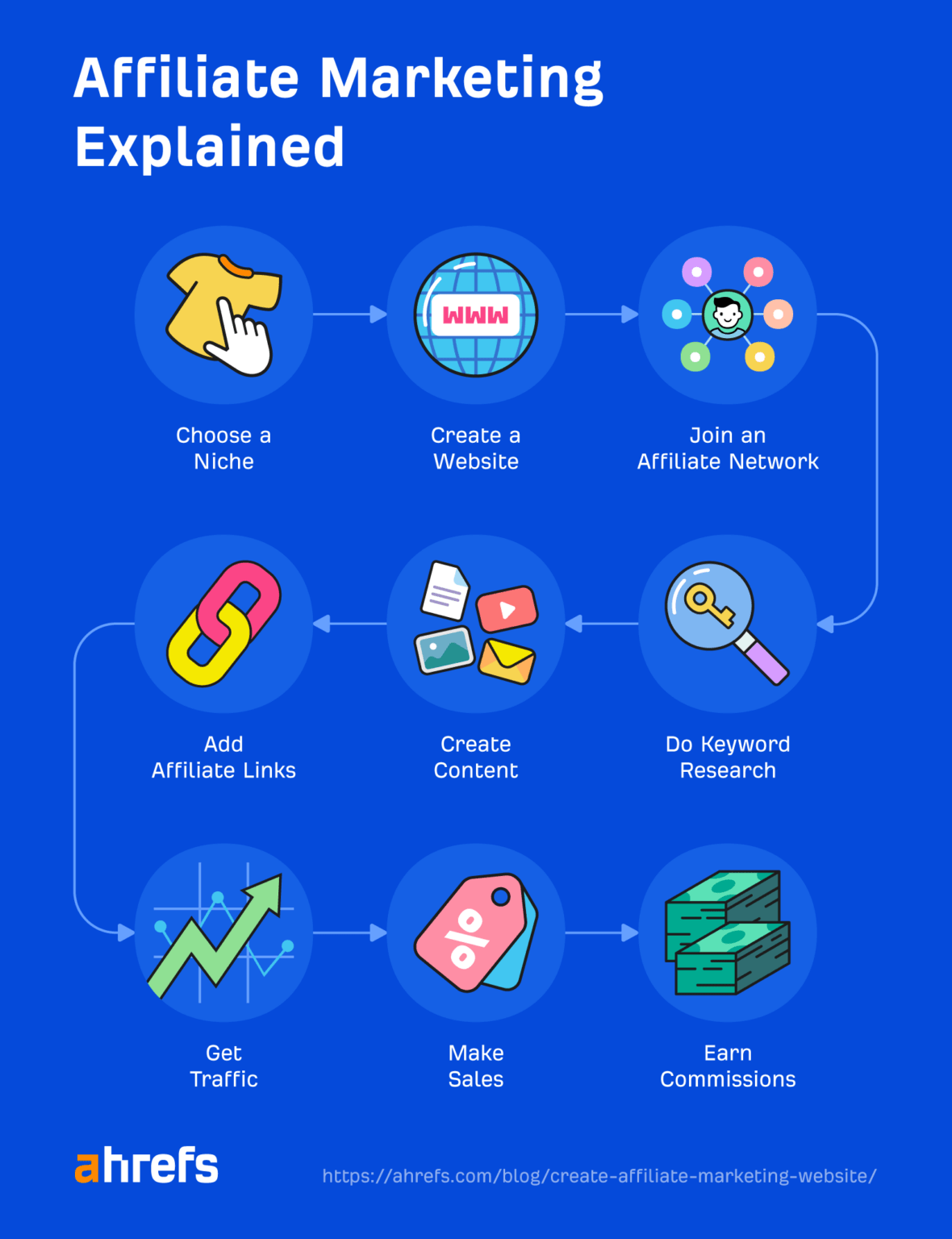
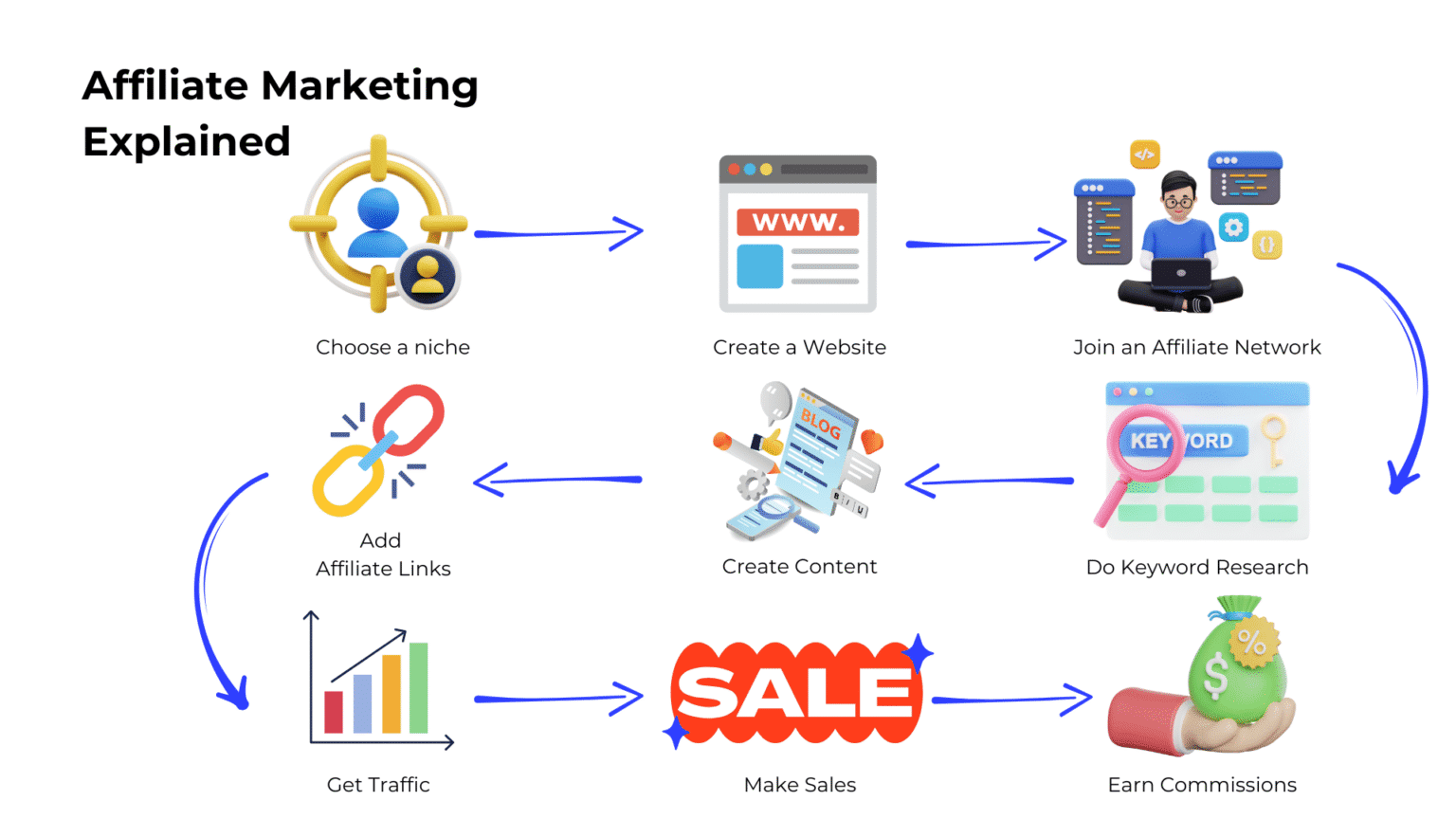
The basic process is simple:
- A reader visits your website.
- The reader clicks your affiliate link.
- The merchant records the referral.
- The reader buys a product or completes another approved action.
- The merchant pays you a commission.
For example, you could build a website about home coffee equipment. You might publish guides about coffee grinders, espresso machines, and water filters. If a reader clicks your link and buys an eligible product, the merchant may pay you a percentage of the sale.
Common affiliate website models
You do not need to use only one model. Many successful websites combine several.
- Product review site: Reviews products for a specific audience.
- Comparison site: Compares two or more products or services.
- Buying guide site: Helps readers choose based on price, size, features, or use.
- Tutorial site: Teaches readers how to solve a problem.
- Coupon or deal site: Shares approved discounts and promotions.
- Resource site: Recommends tools for a job, hobby, or business.
- Local service site: Sends leads to businesses that serve a city or region.
The best model depends on your knowledge, content skills, audience, and access to suitable affiliate programs.
Choose a Profitable and Useful Niche
Choose a niche where people have a clear problem, products exist to solve it, and you can create better guidance than a general website.
A niche is a focused subject area. “Fitness” is broad. “Strength training for women over 50 at home” is more focused. A narrow topic makes it easier to choose content, understand readers, and build trust.
Use the four-part niche test
Before buying a domain, test the topic with these questions:
-
Do people need help with this topic?
Look for questions, product searches, forums, videos, and discussion groups. -
Do products or services exist?
Check brand websites, affiliate networks, online retailers, software companies, and professional services. -
Can you explain the topic clearly?
You do not need to be the top expert. You do need enough knowledge to research carefully and avoid unsafe claims. -
Can the topic support many useful articles?
A site may need dozens of helpful pages over time. Avoid a topic with only one or two possible articles.
Examples of focused U.S. niches
- Budget meal tools for small apartments
- Home office equipment for remote workers
- Trail gear for beginner hikers in the United States
- Accounting software for independent contractors
- Dog care products for first-time owners
- Lawn tools for homeowners with small yards
- Travel credit cards for a defined type of traveler
Some topics need extra care. Health, legal, financial, and safety content can affect serious decisions. If you write in one of these areas, use strong sources, explain limits, and avoid presenting general information as personal advice.
Check commercial intent
Commercial intent means the reader may be close to taking an action. These searches often include phrases such as:
- Best product for a specific need
- Product A vs. Product B
- Product review
- How much does a product cost?
- Alternatives to a named service
- Tools needed for a specific task
Informational searches also matter. A reader who searches “how to start a vegetable garden” may later need seeds, soil, tools, or books. Informational content can bring readers into your site before they are ready to buy.

Select a Domain, Platform, and Hosting
Use a simple domain name and a platform that lets you control your content, links, design, and data.
For most beginners, a self-hosted WordPress website is a flexible choice. It supports many themes, plugins, analytics tools, and content formats. Other website builders may be easier to start with, but they can limit technical control or affiliate features.
Domain name guidelines
Choose a domain that is:
- Easy to spell
- Easy to say aloud
- Short enough to remember
- Related to the site topic without being too narrow
- Free from trademark problems
- Suitable if the site expands later
A name like smallspacegarden.com gives more room than a name tied to one exact product model. Avoid putting a brand name in your domain unless you have permission.
A .com domain is familiar to many U.S. readers, but it is not required. A different extension can work if the name is clear and available.
Hosting requirements
Your hosting plan should support:
- An SSL certificate
- Regular backups
- Software updates
- Basic security controls
- Reliable uptime
- Customer support
- Enough storage for your expected traffic
SSL changes your site address from http to https. It helps protect data sent between the visitor and your site. It does not make every site trustworthy, but it is a basic requirement for a modern website.
Do not buy the most expensive plan at the start. Choose a plan that meets your current needs and can be upgraded when traffic grows.
Core website pages
Create these pages before you promote the site:
- Home page
- About page
- Contact page
- Privacy policy
- Terms of use
- Affiliate disclosure
- Optional editorial policy
- Optional corrections policy
Your privacy policy should match the tools and data your site uses. If you collect email addresses, use analytics, or run advertisements, explain those practices in a clear way.
Build the Website Structure
Organize your site around reader needs, not around a long list of keywords.
A simple structure may look like this:
- Home
- Beginner guides
- Product reviews
- Comparisons
- Buying guides
- Tutorials
- Resources
Keep important pages easy to reach. A reader should be able to move from a basic guide to a related review or buying guide without searching the whole site.
Create topic clusters
A topic cluster is a group of related pages that support one broad subject.
For example, a home office website might include:
- Main guide: How to set up a home office
- Supporting guide: Best desk size for a small room
- Review: Ergonomic office chair review
- Comparison: Standing desk vs. sitting desk
- Tutorial: How to improve video call lighting
- Buying guide: Budget monitor for remote work
Link these pages when the link helps the reader. A link should guide the next step, not merely add a keyword.
Make pages easy to use
Use:
- Clear headings
- Short paragraphs
- Useful tables
- Descriptive link text
- Large enough text
- Good color contrast
- Fast-loading images
- A layout that works on phones
- Visible author and disclosure information
Avoid pop-ups that block the page, auto-playing sound, fake countdowns, and buttons that look like something they are not.

Publish Content That Helps Readers Choose
Useful content is the main asset of an affiliate website. A link alone does not give readers a reason to trust your recommendation.
Each article should solve a clear problem. Before writing, decide what the reader needs to know and what action may help them next.
Start with high-value content types
A new site can begin with these article types:
-
Beginner guide
Explain the basic process or problem. -
Buying guide
Describe the features that matter and who needs them. -
Comparison
Explain the meaningful differences between two options. -
Product review
Describe the product, its fit, its limits, and suitable alternatives. -
How-to tutorial
Show the reader how to use, install, maintain, or evaluate something. -
Troubleshooting guide
Help readers fix a common problem before they buy something new.
This mix supports readers at different stages. Some need education. Others are ready to compare products.
Use a clear article process
For each article:
- Identify the reader’s question.
- Define the reader’s likely goal.
- Check official product information.
- Review reliable independent sources where relevant.
- Separate known facts from your analysis.
- Explain important limitations.
- Add affiliate links only where they help.
- Review the article for accuracy and outdated details.
Do not claim that you tested a product unless you actually tested it. If you rely on product specifications, say so. A manufacturer’s claim can establish what the manufacturer reports, but it does not prove that the product is best for every reader.
Add useful decision details
A thin review says a product is “great.” A useful review explains:
- Who the product is for
- Who should avoid it
- What it does
- What it does not do
- Main features
- Setup or use requirements
- Ongoing costs
- Warranty or return details
- Similar alternatives
- Factors that may change the choice
If you use a table, compare the same features for every product. Do not fill a table with vague praise.
Use original value
Your site can add value through:
- A decision checklist
- A cost calculation
- A plain-language explanation
- A comparison based on reader needs
- A setup guide
- A list of compatibility limits
- A maintenance plan
- A clear summary of trade-offs
Do not copy retailer descriptions and change a few words. That approach gives readers little reason to visit your site.

Join Relevant Affiliate Programs
Join affiliate programs that match your content and your audience. The highest commission is not always the best choice. A program is useful only if the products fit the reader and the terms are workable.
Types of affiliate programs
You may find programs through:
- Individual brand websites
- Affiliate networks
- Retailer programs
- Software companies
- Online education platforms
- Travel companies
- Financial service providers
- Hosting and technology companies
Networks may connect publishers with many merchants. Direct programs may offer different tracking rules, commission terms, or approval requirements.
Check these program terms
Before applying, review:
- Commission rate or fixed payment
- Cookie or referral window
- Payment threshold
- Payment method
- Eligible countries
- Prohibited traffic sources
- Paid search rules
- Email marketing rules
- Coupon and trademark rules
- Return and chargeback policies
- Program termination terms
Terms can change. Save the program agreement and check the current version before building a major business plan around it.
Some programs approve websites only after they contain useful content. Build a complete, professional site before applying.
Use affiliate links correctly
Use links where they answer a reader need. Examples include:
- “Check the current price”
- “See the full specifications”
- “View the available sizes”
- “Compare the current plans”
Do not use misleading buttons. Do not hide a commercial link behind text that suggests a free download or unrelated action.
Affiliate links should also work on mobile devices. Test them in a private browser window and confirm that they reach the expected page.
Add a Clear Affiliate Disclosure
A U.S. affiliate website should clearly disclose its financial relationship with merchants.
The FTC says endorsements must not mislead consumers, and material connections should be disclosed clearly and conspicuously. A material connection may include a commission relationship, free product, discount, sponsorship, or another benefit.
A short disclosure near the recommendation can help:
Affiliate disclosure: We may earn a commission if you buy through links on this page. This does not increase your price.
Use wording that matches your real relationship. If you received a free product or have another connection, disclose that fact too.
Place the disclosure where readers can see it
A disclosure should not be hidden:
- Only on a separate legal page
- Below a long article
- Behind a link labeled “legal”
- In tiny or low-contrast text
- In a place readers may not see before the endorsement
A site-wide disclosure can provide context, but place a clear notice near articles or links when needed.
The FTC’s Endorsement Guides provide official guidance. Rules can depend on the facts, so seek legal advice for a complex business model.
Make truthful claims
Do not say a product is “the best” unless you explain the basis for that statement. Avoid claims about health outcomes, income, savings, safety, or performance that you cannot support.
For example, “This chair has adjustable lumbar support” is a product feature claim if confirmed by the manufacturer. “This chair will eliminate back pain” is a much stronger health claim and may not be supported.
Optimize the Website for Search and Conversions
Search engine optimization can help people find your content, but no technique guarantees rankings or income.
Start with the reader. Make the page easy to understand, useful, and technically sound.
Basic on-page SEO
For each page, create:
- One clear page title
- A direct H1 heading
- Helpful subheadings
- A short, accurate meta description
- A descriptive URL
- Relevant internal links
- Useful image alt text
- Original information
- A clear next step
Use the main topic naturally. Do not repeat the same phrase in every heading or paragraph.
For example, instead of using “best budget office chair” in every heading, use related language such as:
- Office chairs for small budgets
- Features that matter for desk work
- How to compare chair adjustments
- When a low-cost chair may not fit
Improve conversion paths
A conversion is the action you want the reader to take. In affiliate marketing, it may be a product click.
Use one clear next step after you explain the relevant point. A reader who just finished a comparison may need a product link. A reader who is still learning may need another guide instead.
Track whether your links are:
- Easy to find
- Accurate
- Relevant to the paragraph
- Clear on mobile
- Free from broken destinations
Do not place affiliate buttons after every sentence. Too many links can reduce trust and make the page hard to read.
Measure useful events
Use an analytics tool to track:
- Page views
- Traffic sources
- Popular pages
- Outbound affiliate clicks
- Email sign-ups
- Device type
- Search queries, where available
Affiliate networks may report clicks, orders, commissions, and canceled transactions. These numbers may not match your analytics because systems use different time zones, attribution rules, and tracking methods.
A click is not a sale. A sale may later be returned or rejected. Review approved commissions rather than judging the business from clicks alone.
Promote the Website in Ethical Ways
Promotion brings the first readers to a new site. Use channels that match your audience and follow each platform’s rules.
Possible channels include:
- Organic search
- Email newsletters
- YouTube
- Short-form video
- Online communities
- Social media
- Partnerships
- Paid advertising
Do not post affiliate links in places that prohibit them. Do not spam forums, send unsolicited email, buy fake engagement, or use misleading claims.
Build an email list carefully
An email list gives you a way to reach readers without relying on one traffic source. Offer a useful free item, such as:
- A checklist
- A planning sheet
- A buying guide
- A short course
- A maintenance schedule
Tell people what they will receive and how often you will email them. U.S. commercial email must follow the CAN-SPAM Act. Your email system should include a valid sender identity, a physical postal address, and a clear unsubscribe method.
If you target people outside the United States, other privacy and marketing laws may apply.
Use social content to support the site
Social posts can answer small questions and point readers to a full guide. Show the useful part first. A post that only says “click my link” gives people little reason to trust you.
Disclose affiliate relationships on social platforms too. The disclosure should be easy to notice and placed near the recommendation.
Estimate Costs and Affiliate Revenue
Affiliate websites usually have costs before they earn money. A basic budget may include:
| Cost area | Common purpose |
|---|---|
| Domain | Website address |
| Hosting | Stores and serves the site |
| Design | Theme, logo, or layout |
| Sends newsletters | |
| Tools | Research, analytics, or content work |
| Content | Writing, editing, photos, or testing |
| Legal and tax help | Business and compliance guidance |
Prices vary by provider and plan. Check current prices before buying.
Use a simple revenue model
A hypothetical calculation can show how the parts connect:
Monthly commission = visitors × affiliate click rate × merchant conversion rate × average commission
Example:
- 10,000 monthly visitors
- 4% click an affiliate link
- 3% of those clicks lead to an approved sale
- $12 average approved commission
Calculation:
10,000 × 0.04 × 0.03 × $12 = $144 per month
This is only a planning example. Real results may differ because of product prices, device use, returns, seasonality, tracking limits, and reader intent.
A second useful measure is earnings per click:
Earnings per click = approved affiliate revenue ÷ tracked affiliate clicks
Use approved revenue, not pending or canceled orders. Do not assume that a high commission rate will produce more income. A lower-paying product that fits the reader may produce better results than an expensive product with few qualified buyers.
Affiliate income may create tax obligations. Keep records of income and business expenses, and ask a qualified tax professional how U.S. federal, state, and local rules apply to your situation.

Avoid Common Affiliate Website Mistakes
Many new sites fail because they focus on links before trust and usefulness.
Mistake 1: Choosing a topic only for commission rates
A high commission does not help if readers do not want the product or if you cannot explain it well.
Better approach: Choose a topic with a real reader problem, suitable products, and enough room for useful content.
Mistake 2: Publishing copied product descriptions
Retailer text rarely answers the reader’s real question. It may also create copyright and originality concerns.
Better approach: Use official specifications as a starting point, then add comparison, context, limits, and practical guidance.
Mistake 3: Claiming personal testing
Do not write “I tested this product” unless you did. Do not use invented photos, measurements, or user results.
Better approach: State whether information comes from official specifications, documented sources, or your own testing.
Mistake 4: Hiding disclosures
A hidden disclosure may not give readers a clear warning before they act.
Better approach: Put a short, readable disclosure near the relevant endorsement or link.
Mistake 5: Making unsupported promises
Avoid promises such as guaranteed savings, guaranteed rankings, guaranteed income, or guaranteed health results.
Better approach: Explain the conditions that affect the result and use cautious language where evidence is limited.
Mistake 6: Ignoring product changes
Prices, plans, features, stock, warranties, and affiliate terms can change.
Better approach: Schedule regular reviews of important pages. Update details or remove claims you can no longer verify.
Mistake 7: Using too many affiliate links
A page filled with links can feel like an advertisement instead of a guide.
Better approach: Link when the reader has enough context to make a useful choice.
Mistake 8: Relying on one traffic source
Search traffic can fall. Social platforms can change their rules. An affiliate program can close.
Better approach: Build several appropriate channels, collect email subscribers with consent, and avoid dependence on one merchant.

Follow a 90-Day Launch Plan
A clear schedule can keep the project manageable.
Days 1–14: Plan
- Choose a focused niche.
- Define the U.S. reader you want to help.
- Research products and affiliate programs.
- Check trademarks and domain options.
- Choose a platform and hosting plan.
- Create a basic content map.
Days 15–30: Build
- Register the domain.
- Set up hosting and SSL.
- Select a simple mobile-friendly design.
- Create core legal and trust pages.
- Add navigation and categories.
- Set up analytics and backups.
Days 31–60: Publish
- Write several helpful beginner guides.
- Add buying guides and comparisons.
- Create internal links.
- Add affiliate links only where relevant.
- Add clear disclosures.
- Check every link and form.
Days 61–90: Improve
- Apply to suitable affiliate programs.
- Review search and click data.
- Improve pages with reader interest but weak engagement.
- Update unclear sections.
- Test mobile layouts.
- Build an email or social promotion process.
- Remove thin pages that do not help readers.
Signs that the process is working
Early success does not always mean large revenue. Look for signals such as:
- Readers spend time on useful pages.
- Visitors move between related articles.
- Search impressions increase over time.
- Affiliate links receive relevant clicks.
- Readers ask questions or return to the site.
- Approved commissions appear and remain stable.
If traffic is low, check topic demand, content quality, indexing, technical errors, and promotion. If clicks are high but commissions are low, check product fit, merchant conversion, tracking, price, and reader intent. If commissions later disappear, check refunds, program terms, broken links, and changes to the merchant offer.

Key Takeaways
- Choose a focused topic with real reader needs and suitable products.
- Build a fast, clear, mobile-friendly website.
- Publish guides, reviews, comparisons, and tutorials that add useful analysis.
- Join affiliate programs after checking their current terms.
- Disclose affiliate relationships clearly for U.S. readers.
- Do not claim testing, results, or expertise you do not have.
- Track clicks and approved commissions separately.
- Review prices, product details, links, and legal pages on a schedule.
- Treat affiliate marketing as a long-term publishing business, not guaranteed income.
Frequently Asked Questions
How much does it cost to build an affiliate marketing website?
A basic site may require a domain, hosting, design, email service, and content. The total depends on the tools and work you choose. You can start lean, but high-quality content, editing, product access, and legal or tax help may increase the budget.
Can I start affiliate marketing without a website?
Yes. Some affiliate programs allow promotion through social media, email, video, or other channels. A website gives you more control over your content, search visibility, internal links, and audience experience. Always follow the affiliate program’s traffic rules.
Do I need an LLC for an affiliate website?
Not always. A sole proprietorship may be enough for some small businesses, but business structure, liability, taxes, state registration, and banking needs vary. Ask a qualified attorney or tax professional about your situation.
How many articles should I publish before applying to affiliate programs?
There is no universal number. Apply when your website clearly explains its topic, has useful original content, includes trust pages, and looks complete. Some programs have their own traffic, sales, or approval requirements.
How long does it take to earn affiliate income?
The time varies widely. It depends on the topic, content quality, competition, traffic source, reader intent, product fit, and affiliate terms. Plan for a testing period rather than assuming that income will begin by a fixed date.
Should I use Amazon Associates or another affiliate program?
Amazon Associates may offer many products, but its commission rates, terms, tracking rules, and category policies can change. Other programs may provide higher commissions or better products for a specific audience. Compare the current terms and choose programs that fit your readers.
Conclusion
A strong affiliate marketing website starts with useful answers, not affiliate links. Choose one clear U.S. audience, solve its problems, explain product trade-offs, and recommend only products that fit the reader’s needs.
Start with a focused topic, a simple website, and a small set of helpful articles. Add compliant affiliate links after you have earned the reader’s attention. Then measure what people read, what they click, and which commissions remain approved. Use those findings to improve the site one useful page at a time.


