
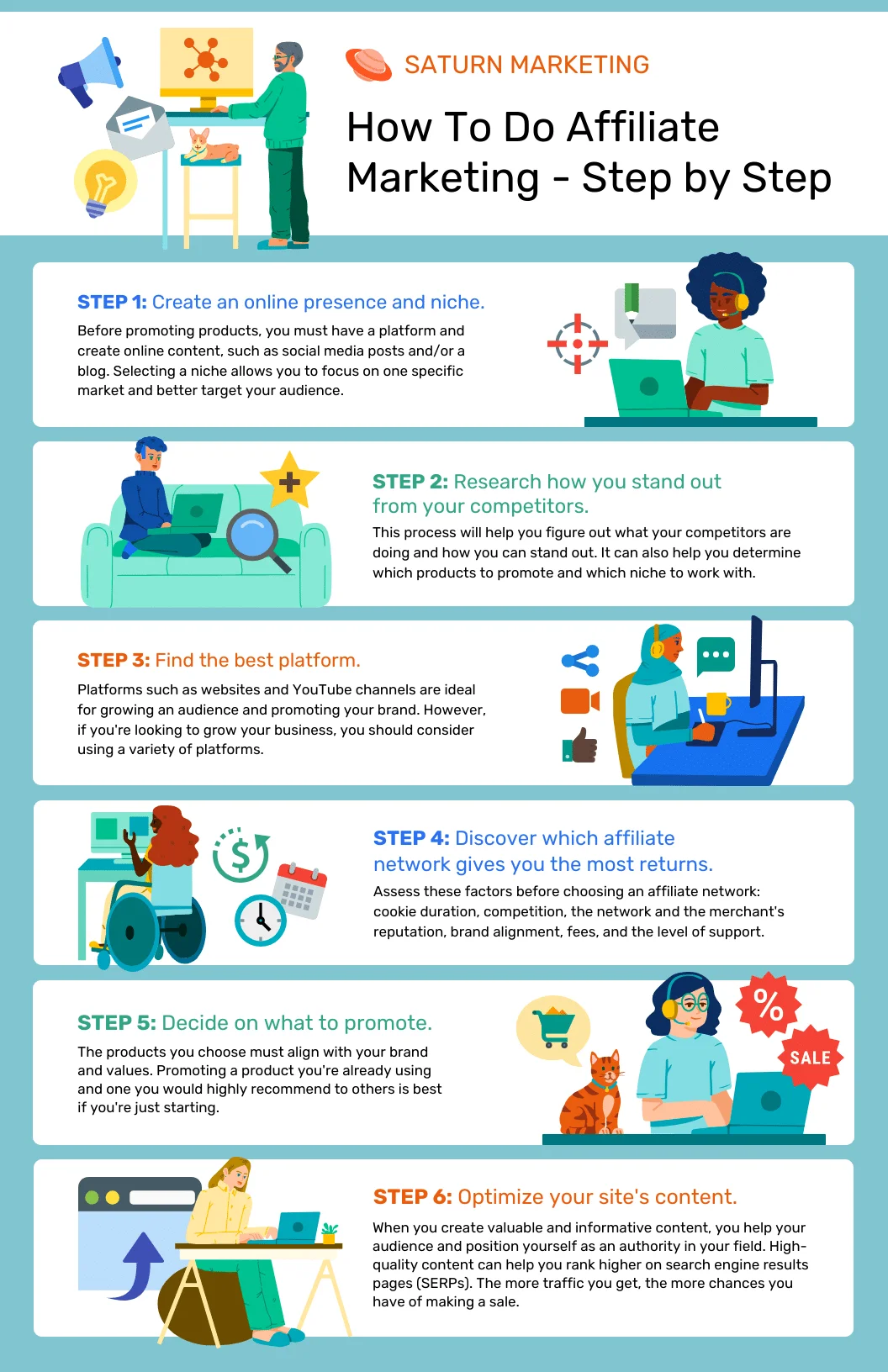
How To Find Competitors Affiliate Marketing: Proven Tactics
Use Google, ad libraries, and affiliate link footprints to spot rivals fast.
Finding who you are up against in affiliate marketing does not need luck. You can map the field with simple searches, a few smart tools, and a repeatable process. In this guide, I will show how to find competitors affiliate marketing with clear steps and real examples. I have used the same method in many niches to grow traffic and reach better offers. Read on to learn how to find competitors affiliate marketing with speed and confidence.

Why competitor research matters in affiliate marketing
Competitors shape what ranks, what converts, and which offers get clicks. If you know who they are, you can see the gaps and win them. You also learn what to avoid before you spend time and money.
Good intel cuts risk. It shows what content works and what links move the needle. It tells you the payout range, the cookie window, and the funnel tricks in play. It is the base for how to find competitors affiliate marketing the right way.
Source: uppromote.com
Define your competitor types
Not all rivals are the same. Name them so you pick the right play.
- Direct content sites. Niche blogs, media sites, and authority hubs with reviews and guides.
- Search affiliates. PPC bidders on non-brand and brand terms.
- Coupon and deal sites. Voucher, promo code, and cashback portals.
- Comparison engines. Product match tools and aggregator pages.
- Influencers and creators. YouTube, TikTok, Instagram, newsletters, and podcasts.
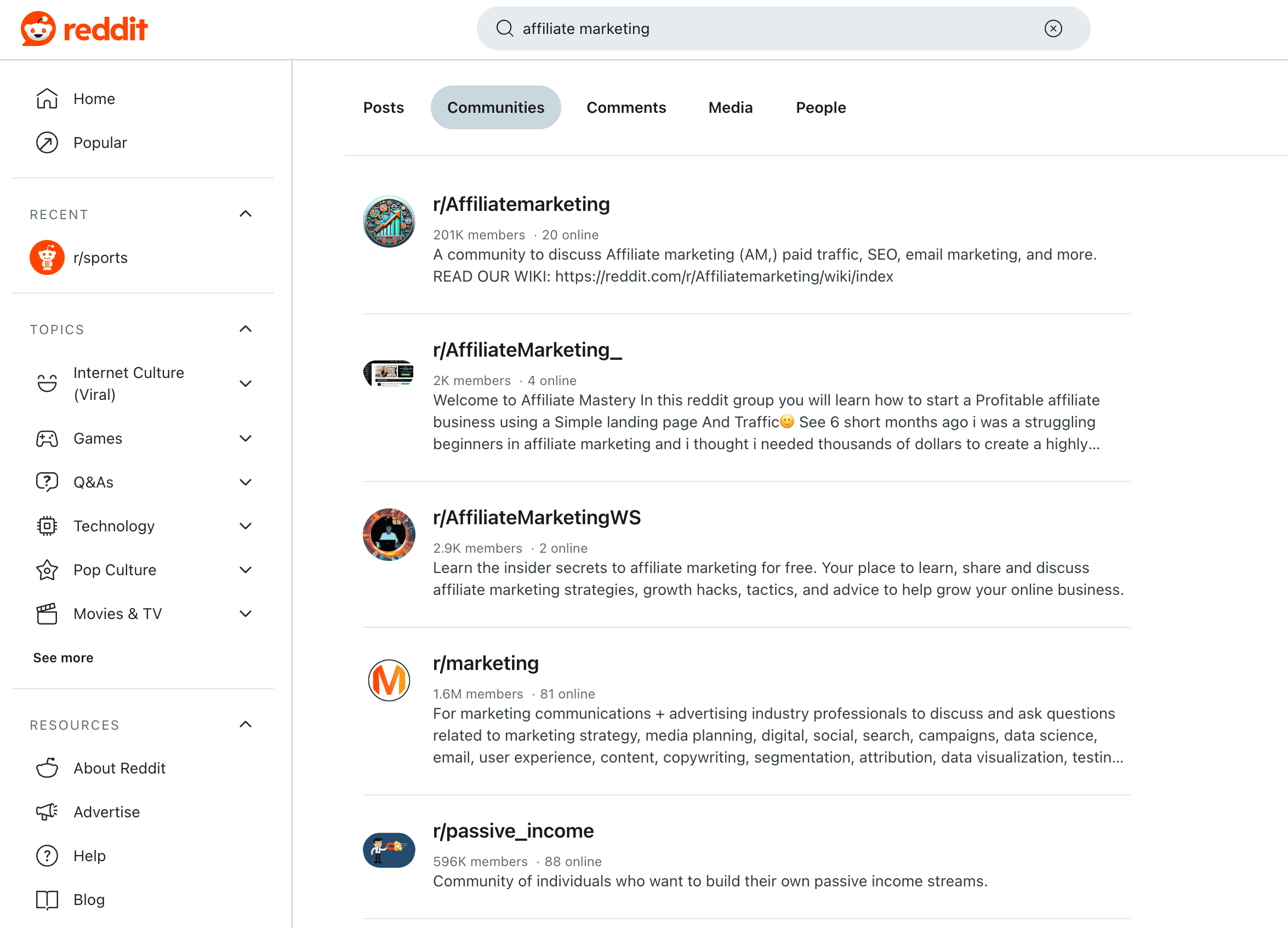
- Communities. Forums, Reddit, Discord, and Facebook Groups.
- Marketplaces and resellers. Amazon Associates sites, niche stores, and bundles.
Map each type. It helps you plan how to find competitors affiliate marketing without blind spots.
Source: trackdesk.com
Step-by-step: how to find competitors affiliate marketing
Below is how to find competitors affiliate marketing with a field-tested workflow. Do this once for setup, then refresh each quarter.
-
Start with seed searches
- Search in an incognito window.
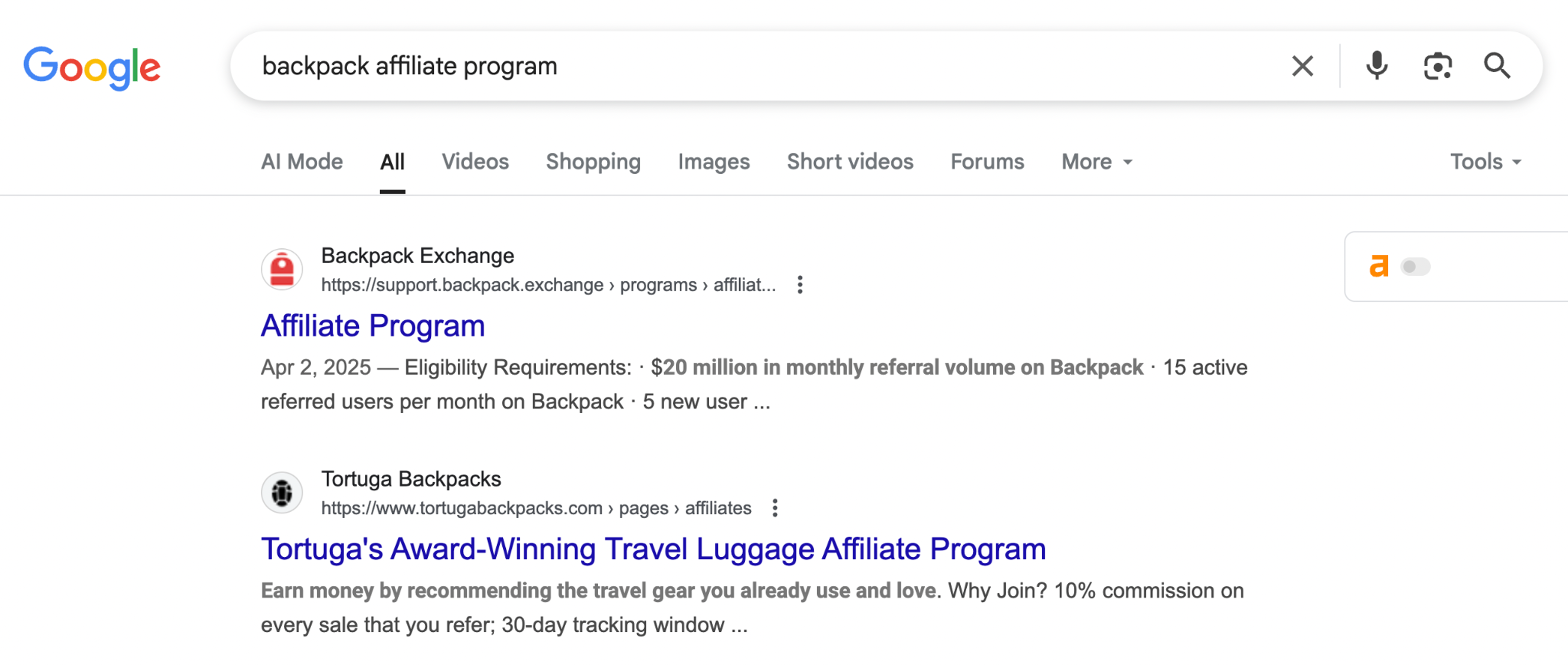
- Try buy terms like best [product], review, vs, alternatives, under $X, 2026, beginner, pro.
- Add brand and product names. Use intitle:review, inurl:review, site:youtube.com.
-
Check affiliate link footprints
- Right-click links and copy the address.
- Look for tags like aff, ref, tag=, hop, clickid, AID, pub, subid, utm_term.
- Note networks like Amazon (tag=), Impact, CJ, ShareASale, Awin, Rakuten, ClickBank.
-
List and score domains
- Track domain, channel, niche fit, content type, and traffic hint.
- Add tech notes like CMS, theme, and speed.
-
Scan SERP features
- Note People Also Ask, videos, images, and Top Stories.
- Check Featured Snippets. See what format wins: list, table, or steps.
-
Use backlink tools
- Paste the top 10 URLs into a link tool.
- Export referring domains and anchor text.
- Flag easy wins like resource pages and roundups.
-
Mine ad libraries
- Open Meta Ad Library, Google Ads Transparency Center, and TikTok Creative Center.
- Search brand and product names. Save ads that push offers.
-
Explore affiliate networks
- Search public program pages and publisher directories.
- Look for “joined program” posts and case studies.
- Note commissions, EPC, and cookie length.
-
Audit YouTube and podcasts
- Search review and best videos.
- Check descriptions for affiliate links and bonus pages.
-
Hunt on Reddit and forums
- Find threads in r/[niche] with review, recommend, or vs.
- Check rules. Spot power users who link to blogs or videos.
-
Set alerts and trackers
- Use Google Alerts for brand, product, and “best [niche]” terms.
- Track new links and pages with simple crawls.
Keep notes as you go. That is the backbone of how to find competitors affiliate marketing at scale.

Source: brandclickx.com
Tools to speed up how to find competitors affiliate marketing
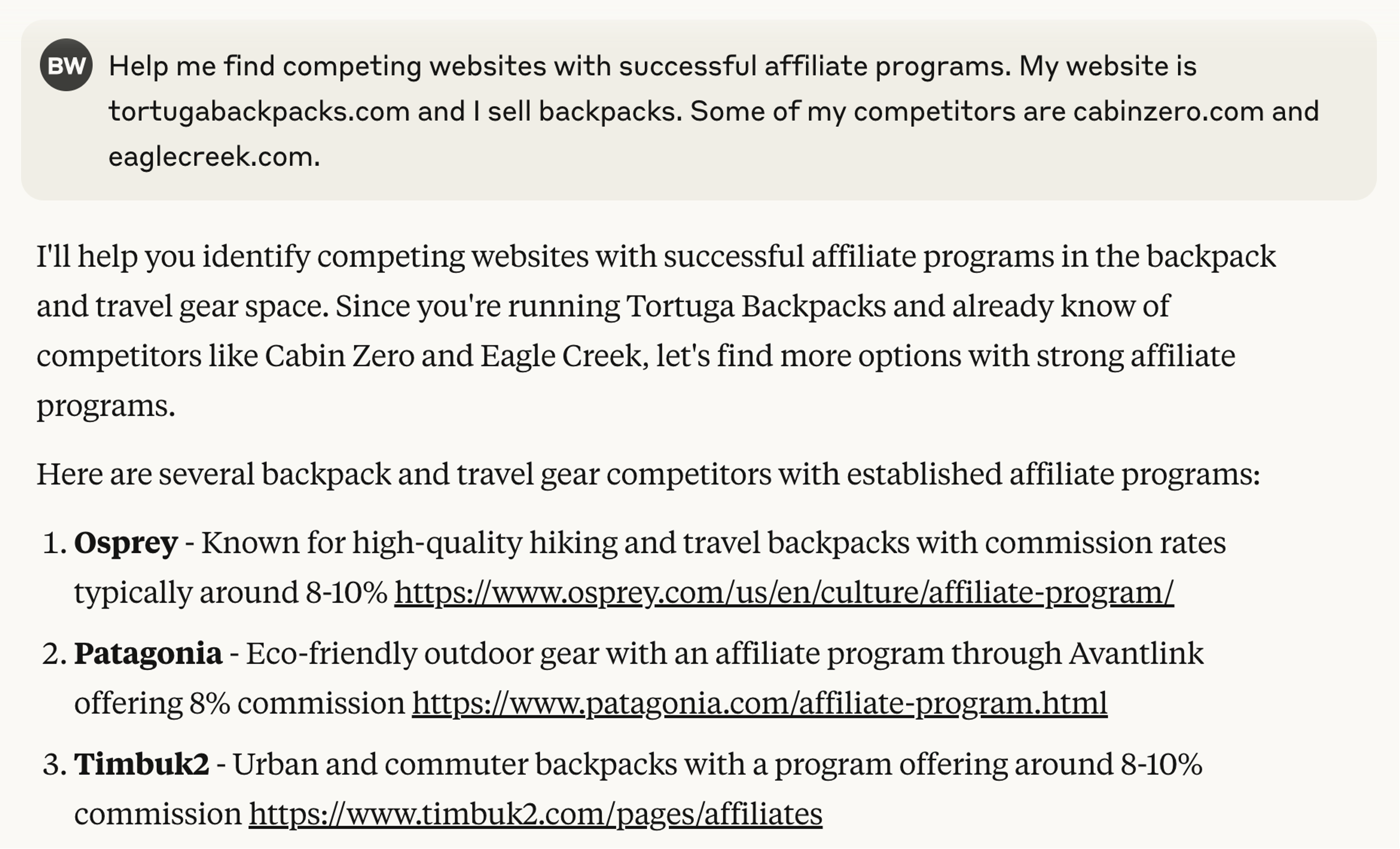
These tools speed up how to find competitors affiliate marketing. Mix free and paid to fit your budget.
- SERP and keyword tools. Google, Keyword Planner, Search Console, and a rank tracker.
- Link and content tools. Ahrefs, Semrush, Majestic, BuzzSumo.
- Traffic and ad tools. Similarweb, Meta Ad Library, Google Ads Transparency Center, TikTok Creative Center.
- Tech lookup. BuiltWith and Wappalyzer.
- Site crawl. Screaming Frog or a light cloud crawler.
- Alerts and monitors. Google Alerts, VisualPing, Wayback Machine.
- Social and audience. SparkToro, YouTube search filters.
- Email finders. Hunter or Snov for outreach.
Use what you need. The best tool is the one you will use each week.
Source: trackdesk.com
Analyze competitor funnels and offers
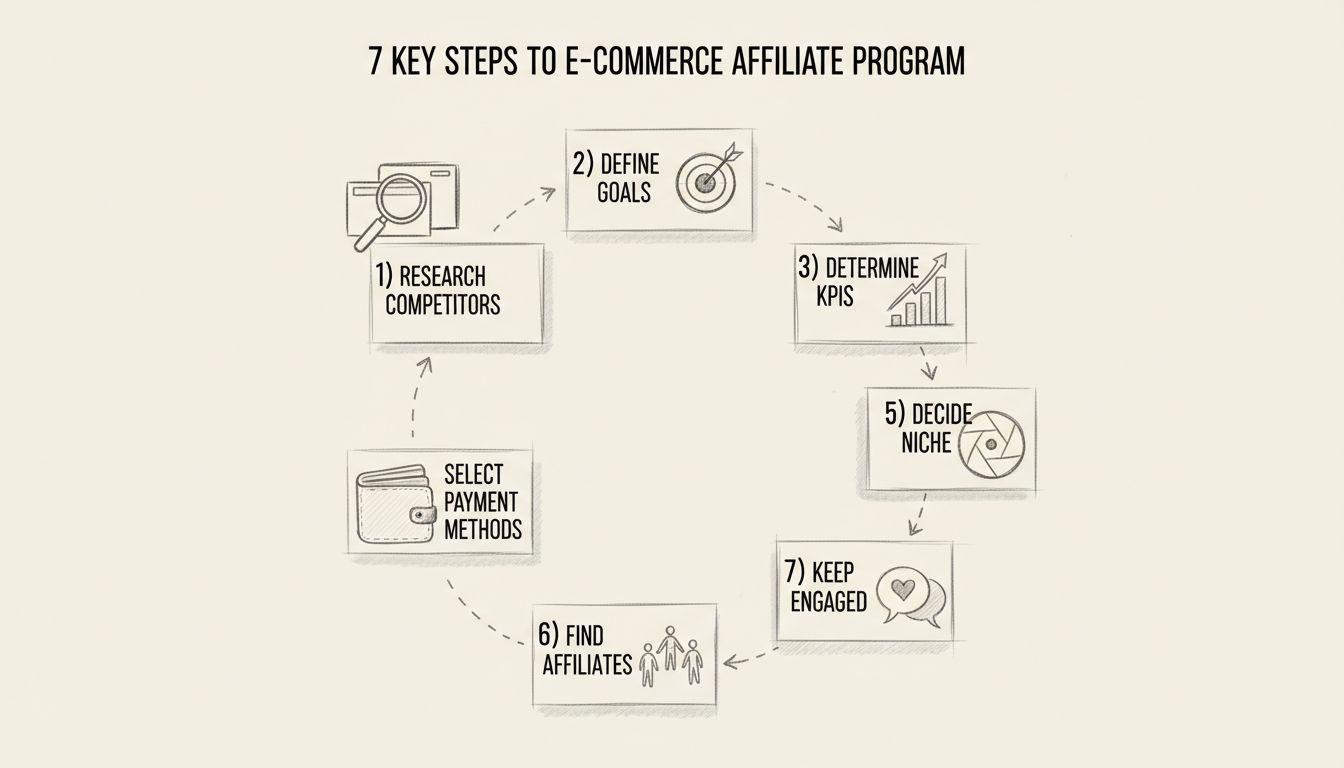
A core part of how to find competitors affiliate marketing is to map funnels. Click like a buyer. Take notes on each step.
- Offer page. What promise leads the page? Is there a bonus stack?
- Click path. Are there popups, quizzes, or exit offers?
- Friction. How many clicks to reach checkout or lead form?
- Pixels. Which tags fire? Use a tag helper to spot them.
- Terms. Commission, cookie days, EPC, AOV, and upsells if visible.
What to copy and what to avoid
- Copy the idea, not the text or design.
- Aim to cut steps and add proof.
- Build a better bonus. Make it fast to claim and easy to use.
Source: postaffiliatepro.com
Content, keywords, and SEO gaps you can win
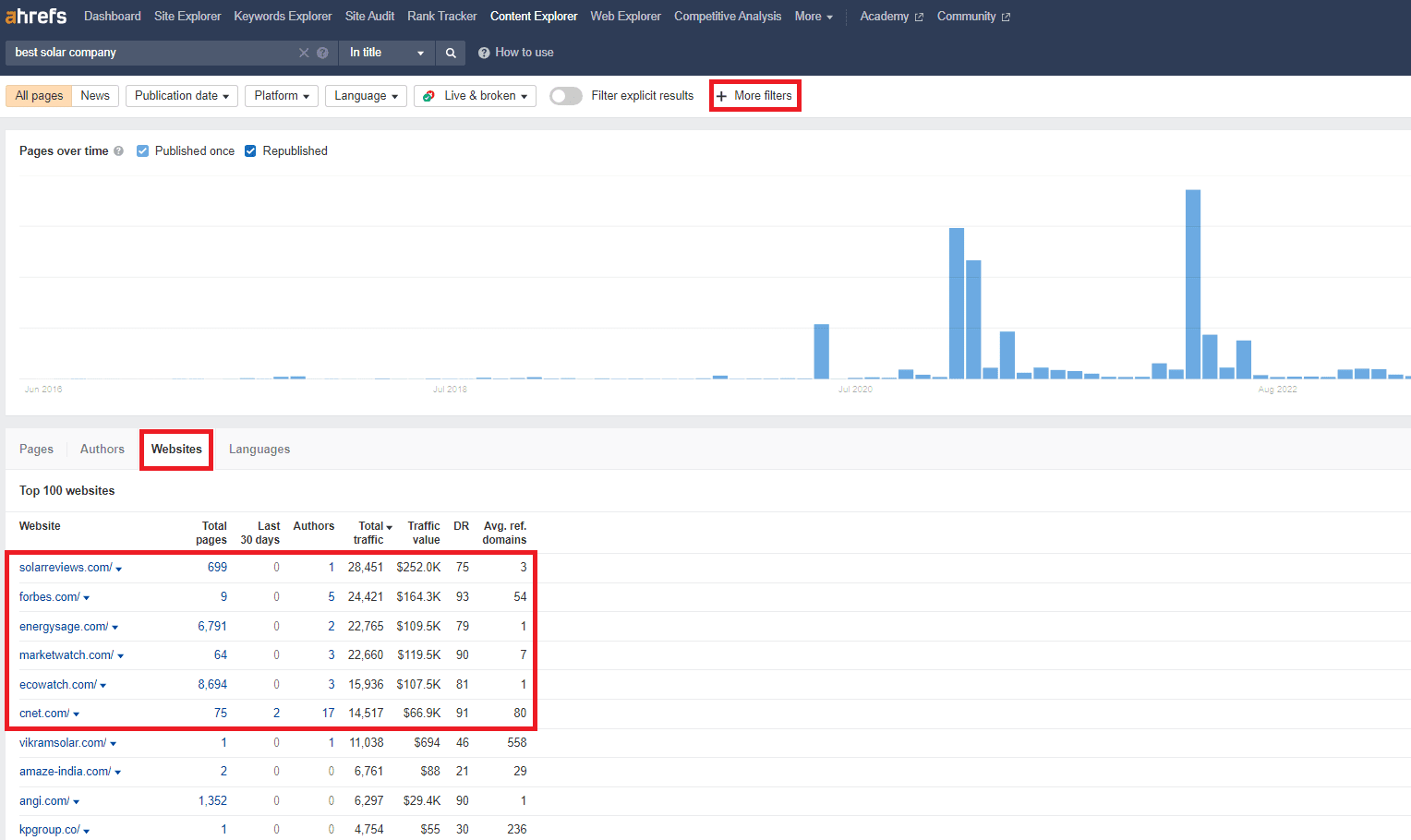
Use the research from how to find competitors affiliate marketing to plan content. Start where you can rank and convert.
Content gap steps
- Export your top three rivals’ keywords.
- Remove brand terms that you cannot bid on or rank for fast.
- Sort by intent words: best, review, vs, cheap, under $X, 2026.
- Pick low competition long tails. Think “best quiet air purifiers for bedrooms” or “espresso grinder under $300.”
Content playbook
- Publish a pillar guide with clear sections and simple tables.
- Add short vs posts. Keep them honest and based on specs and tests.
- Use original images and short videos. Show the product in use.
- Update key pages every 60 to 90 days.
On-page tips
- Use clear headings and short paragraphs.
- Add pros, cons, and who it is for.
- Place CTAs high and often but with care.
Source: phonexa.com
Outreach and partnership intel from competitor footprints
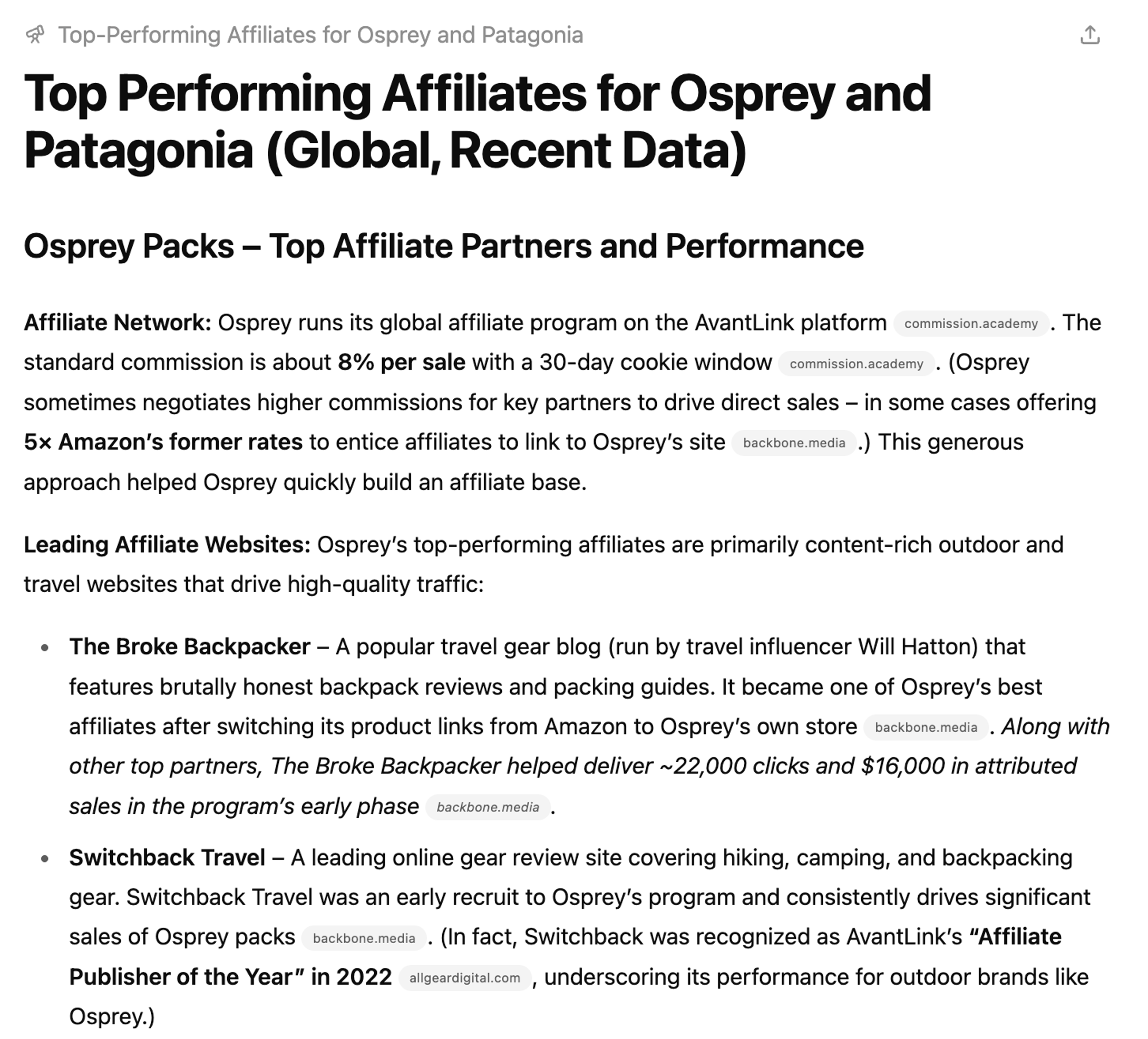
When you practice how to find competitors affiliate marketing, you spot partners. You see who links to rivals and why.
Outreach ideas
- Pitch guest posts to sites that link to two or more rivals.
- Offer a better resource where rivals have 404s.
- Turn unlinked brand mentions into links.
- Share a unique bonus and ask to be added to a “best” list.
- Build a small survey or data post and give partners a preview.
Email tips from my playbook
- Keep the subject clear. Offer value in one line.
- Show one proof point. Link to a sample.
- Make the ask small. Propose one change they can do fast.
Source: trackdesk.com
Legal, ethical, and compliance notes
Play fair. It keeps your brand safe and your deals strong.
- Respect robots.txt and site terms. Do not scrape where it is banned.
- Follow FTC rules. Disclose affiliate links in clear text.
- Do not fake reviews or claims. Use proof you can back up.
- Read program terms. Brand bidding is often not allowed.
- Keep user data safe. Do not collect more than you need.
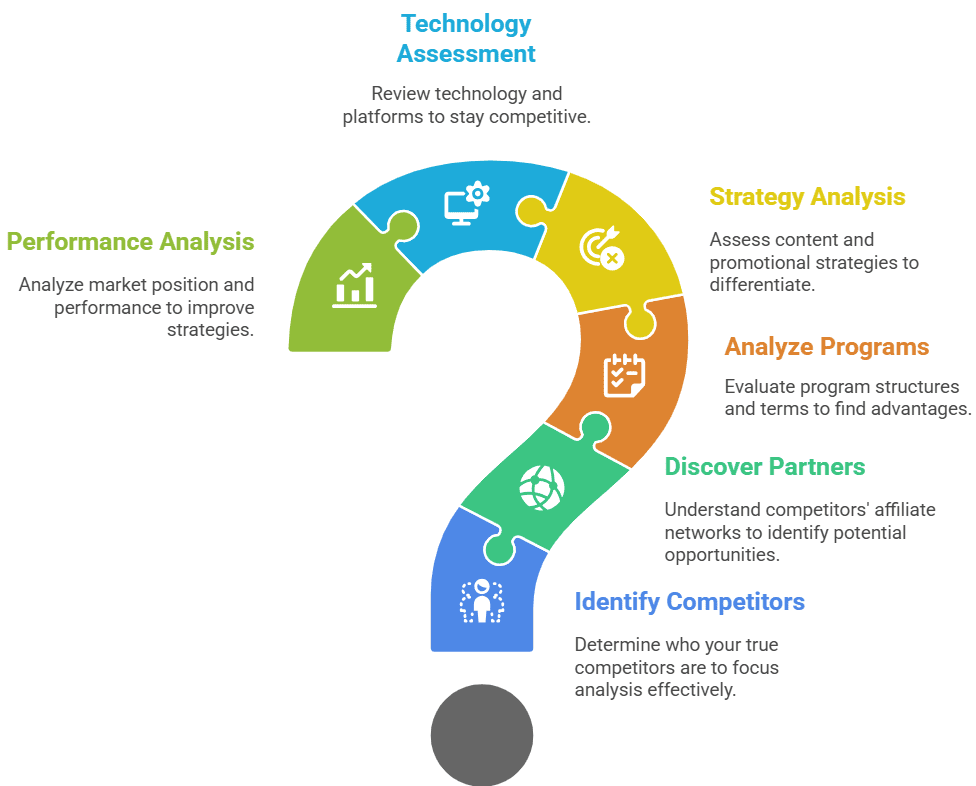
This is how to find competitors affiliate marketing without risk you do not need.
Source: affiversemedia.com
Metrics to track and how to act on insights
Turn how to find competitors affiliate marketing into action with these metrics. Track inputs and outputs.
What to track weekly
- New and lost keywords for top rivals.
- New links by source type.
- Top pages by traffic and changes in rank.
- New ads and landing pages.
What to track monthly
- Your share of voice for 10 core terms.
- Click-through rate on key pages.
- EPC by program and page.
- Time to publish and update cycles.
How to act
- Move fast on low-hanging terms.
- Clone the format of pages that surge, but add more value.
- Shift traffic to higher EPC offers.
- Drop slow pages or rewrite them with fresh proof.
Common mistakes and how to avoid them
Many people do how to find competitors affiliate marketing the hard way. You can skip the pain with a few checks.
- Chasing giants first. Start with peers in your size range.
- Copying without proof. Test claims and keep receipts.
- Ignoring intent. Do not target big volume if it will not convert.
- Overusing tools. Tools help, but manual checks win.
- Skipping updates. Old pages lose trust and rank.
- Hiding bonuses. Make them clear, fast, and easy to claim.
- Not building a list. Own your audience in case offers change.
- Forgetting mobile. Test every page and form on a phone.
Real-world mini case study: from zero to a working plan
Here is how to find competitors affiliate marketing in a coffee niche. I ran this plan for home espresso machines.
Step one
- I searched best espresso machine under $500 and “Brand A vs Brand B.”
- I found five blogs, two YouTube channels, and one deal site.
Step two
- I checked links on each page and saw Impact and Amazon tags.
- I noted commission hints and cookie days from public pages.
Step three
- I pulled backlinks for the top two posts.
- I found five resource pages and three roundups I could pitch.
What I did next
- I wrote a “best for small kitchens” guide with my own photos.
- I filmed a 4-minute setup video and posted it on YouTube.
- I offered a simple bonus: a grind size chart and a brew log.
- I pitched the eight link targets. Three linked in two weeks.
Results
- I hit page one for two long-tail terms by week six.
- EPC was higher on one program, so I shifted CTAs there.
- The process was repeatable and low stress.
Frequently Asked Questions
What counts as a competitor in affiliate marketing?
Anyone who targets the same buyer and keywords is a competitor. That includes blogs, creators, deal sites, and PPC bidders.
How often should I redo the research?
Do a deep scan each quarter. Refresh top pages and links monthly to catch fast changes.
Which free tools can I start with?
Use Google, YouTube, Meta Ad Library, and Google Alerts. Add a free rank tracker and a basic crawler if you can.
How do I detect affiliate links on a page?
Right-click and copy link addresses to see tags like aff, ref, or tag=. Browser extensions can highlight affiliate redirects.
Is it okay to use the same keywords as rivals?
Yes, but match search intent and add more value. Aim for faster answers, real photos, and clearer CTAs.
Can I bid on a competitor’s brand in search ads?
Read each program’s terms. Many ban brand bidding or set strict rules to protect the merchant.
How do I compare affiliate programs fairly?
Look beyond commission. Check EPC, cookie days, refund rates, payout terms, and creative support.
What is the fastest win after research?
Publish a focused long-tail page and pitch a few easy link prospects. Update one high-potential page every two weeks.
Conclusion
You now have a clear path to map rivals, spot gaps, and act with focus. Start small, stay honest, and do the work each week. The edge goes to the one who learns and ships fast.
Pick one niche term today. Run the steps, publish one page, and pitch two links. Want more guides like this? Subscribe, share a question, or drop your own tip in the comments.
My Best Recommended & Proven Way to Make $5k to $10k Every Month—Get Started Here >>



One Comment