
How To Start An Affiliate Marketing Business: Pro Tips 2026
Pick a niche, build a platform, join programs, publish helpful content, optimize.
Starting a real business online can feel fuzzy. Here you’ll learn how to start an affiliate marketing business the right way, with steps I have used across multiple niches. Expect clear actions, tested tools, simple math, and honest timelines. If you want to know how to start an affiliate marketing business without guesswork, read this guide from top to bottom.
What Is Affiliate Marketing? Core Concepts and How It Works
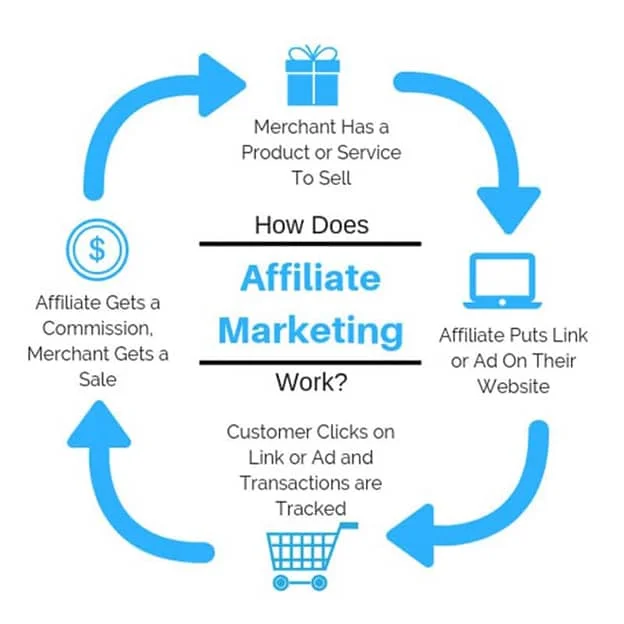
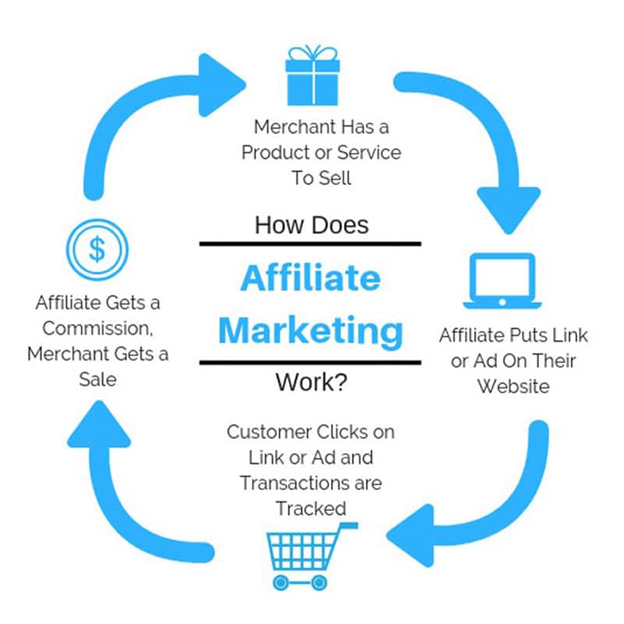
Before you learn how to start an affiliate marketing business, get the basics right. Affiliate marketing is a partnership where you recommend a product and earn a commission when someone buys through your link. The key players are the merchant, the affiliate, the network, and the buyer.
Here is how it works in plain terms. You create content. A reader clicks your unique link. A cookie tracks the visit. When a sale happens inside the cookie window, you get paid. Programs set terms like commission rate, cookie duration, and payout threshold.
Two points matter from day one. Aim for helpful content that solves problems. Keep clear disclosures for trust and to follow the rules.

Step-by-Step: How to Start an Affiliate Marketing Business
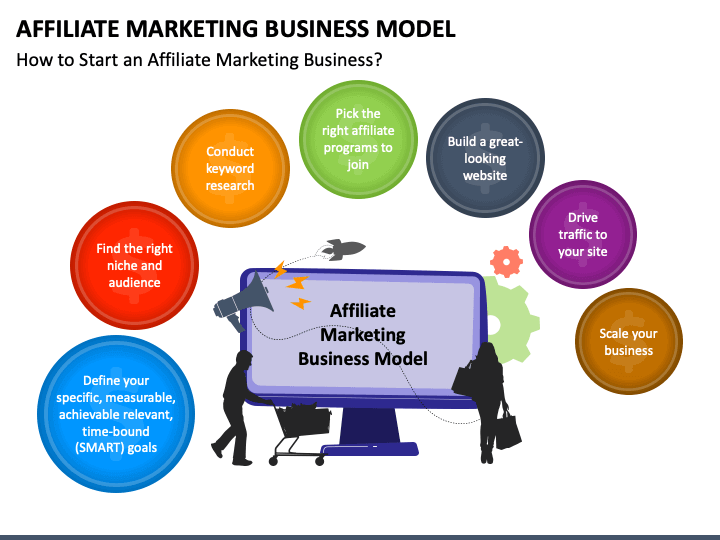
If you ask me how to start an affiliate marketing business today, I would follow these steps. They are simple, but they work when done well.
-
Define your niche and audience
Pick a tight niche with clear buyers. Think problem first, product second. -
Validate demand and earning potential
Check search demand, product pricing, and program terms. Make sure people buy and you can earn. -
Choose your main platform
Start with a blog or YouTube. Add email from week one to own your audience. -
Set up the site and tools
Use fast hosting, a clean theme, an SEO plugin, and analytics. Keep the stack light. -
Join 3 to 5 affiliate programs
Compare rates, EPC, cookie windows, and payout rules. Diversify so one program does not cap your growth. -
Map content to search intent
Plan reviews, comparisons, tutorials, and “best” lists. Each piece should solve a clear pain. -
Publish with a simple SEO workflow
Target long-tail keywords. Use clear titles, headings, and internal links. Answer the question early. -
Insert links with context
Add links near the solution. Use buttons and text links. Do not spam. -
Build your email list
Offer a short checklist or mini guide. Send helpful tips and product picks once a week. -
Promote and earn a few first links
Share in relevant communities. Build relationships and earn mentions. Focus on quality, not volume. -
Track results and improve
Watch clicks, conversions, and revenue. Update top posts. Test calls-to-action and offers. -
Stay compliant
Disclose your links. Add a privacy policy. Follow each program’s rules.
A personal note: my first site made its first sale on day 47 after 13 posts. It was small, but it proved the process works when you publish with purpose.
:max_bytes(150000):strip_icc()/affiliate-marketing-6a9d278b2e91467494d7c9168e17bab5.jpg)
Choosing and Validating a Profitable Niche
A core step in how to start an affiliate marketing business is picking a niche that can pay you for years. You want a narrow focus, a clear buyer, and products with fair commissions.
Use simple checks before you build:
- Buyer intent: Do searches show words like best, review, vs, or price.
- Program depth: Are there several good merchants and networks.
- Product pricing: Do average orders make your commission worth the effort.
- Competition quality: Can you write better, more helpful content than the top results.
- Seasonality: Can you earn year-round, not just once a year.
Quick test I use on a weekend:
- List five micro-niches inside a topic you enjoy.
- For each, find ten long-tail keywords with clear buyer intent.
- Confirm at least three programs with decent terms.
- Sketch ten articles for each. If you cannot, the niche is too thin.
Mistakes to avoid:
- Going too broad like “fitness.” Go micro, like “kettlebell training at home.”
- Picking a niche you dislike. You will quit when writing gets hard.
- Ignoring commercial intent. Traffic without buyers will not pay.

Building Your Platform: Blog, YouTube, or Social?
To actually start, you need a platform. It is the base of how to start an affiliate marketing business and where trust forms.
Pick one core channel and one support channel:
- Blog: Great for search traffic and evergreen guides. You own the asset.
- YouTube: High trust and strong conversions for demos and comparisons.
- Social: Fast feedback and reach. Harder to get stable traffic long-term.
A simple starter stack for a blog:
- Fast hosting, reliable domain, and a lightweight theme.
- SEO plugin and basic analytics.
- An email service with a plain welcome sequence.
For YouTube:
- Use a decent mic and natural light.
- Write short scripts. Hook, value, and call-to-action.
- Add links in the description and a clear on-screen prompt.

Content That Converts: From Search Intent to Click
Content is the engine of how to start an affiliate marketing business. Your job is to help the reader choose faster and with less risk.
Cover the full buyer journey:
- Problem explainers: Define the issue and set criteria for a fix.
- Tutorials: Show how to use the tool and reach an outcome.
- Reviews: Share hands-on notes, pros, cons, and who it fits.
- Comparisons: X vs Y with clear winners by use-case.
- Roundups: Best tools by budget, skill, or job to be done.
Use simple copy frameworks:
- Problem, Agitate, Solve: Name the pain, make it real, then show the fix.
- Features to benefits: Tie specs to outcomes the reader cares about.
- Clear CTAs: Use plain prompts like “See today’s price” or “Try the free plan.”
My quick template for a review:
- Who it is for and not for.
- Key features in real use.
- Test results or personal takeaways.
- Pros, cons, and alternatives.
- Verdict with next step.
Traffic Strategies: SEO, Email, and Paid Tests
Traffic compounds when you mix channels. This is a core part of how to start an affiliate marketing business that scales.
SEO basics that work:
- Target long-tail keywords early.
- Build topical clusters and link them together.
- Earn a few high-quality links from relevant sites.
Email that nurtures:
- Offer a short checklist tied to your niche.
- Send one useful tip, one story, and one offer each week.
- Tag clicks by topic to send better picks next time.
Paid tests for speed:
- Spend a small, fixed budget to learn which pages convert.
- Promote top posts or opt-ins. Kill losers fast and scale winners.
Monetization and Optimization: Links, Funnels, and CRO
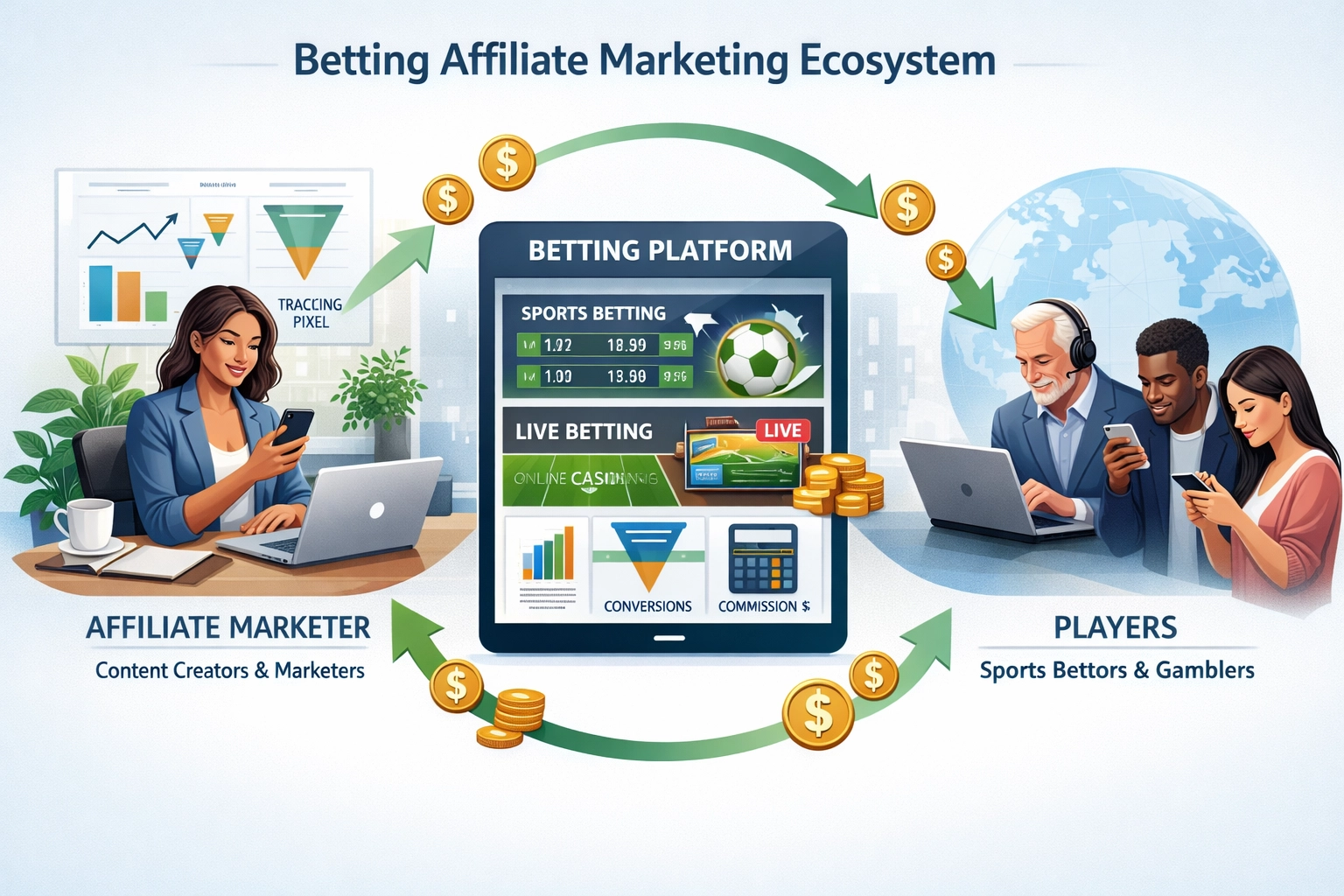
This is where many stall when learning how to start an affiliate marketing business. You must make it easy to act and keep improving.
Link strategy:
- Use both text and button links near the solution.
- Link to multiple merchants where it helps the reader.
- Do not hide links. Disclose and build trust.
Simple funnel idea:
- Top-of-funnel guide brings searchers.
- Content upgrade grabs email.
- Welcome sequence teaches and recommends your top offer.
Optimize with data:
- Track clicks, conversions, EPC, and refund rates.
- Test CTAs, placements, intros, and comparison sections.
- Update winners often. Prune or merge weak posts.
Personal example: moving a single CTA from the footer to the first screen tripled clicks on one guide. Small moves can make big gains.

Legal, Ethical, and Trust Signals
The honest path is the only path for a real business. It also shapes how to start an affiliate marketing business that lasts.
Must-haves:
- Clear affiliate disclosures near links and on a policy page.
- Privacy policy and consent where needed.
- Follow each program’s rules on claims and branding.
Trust builders:
- Real photos, real screenshots, and your byline.
- Explain your testing method. Share limits and biases.
- Show updates and dates so readers know content is fresh.

Tools, Budget, and a 90-Day Launch Plan
Tools help, but keep it lean when you plan how to start an affiliate marketing business. Spend where speed and quality matter.
Starter toolkit:
- Domain, fast hosting, and a clean theme.
- SEO tool for keyword research.
- Grammar checker and a simple image editor.
- Email service and link management.
Lean starter budget:
- Domain and hosting: low monthly cost.
- Theme and plugins: start free or low-cost options.
- Email and tools: free tiers until you grow.
- Optional: mic and light for video.
90-day sprint:
- Days 1–7: Pick niche, validate, set up site, and join programs.
- Days 8–30: Publish 10 articles or 8 videos. Build one lead magnet.
- Days 31–60: Add 10 more pieces. Start outreach and simple link earning.
- Days 61–90: Improve top pages, test CTAs, and send weekly emails.
By day 90 you should see clicks, first sales, and clear next steps.
Personal Lessons and Common Mistakes I See
Here is what stood out across my own sites and client projects. It will speed up how to start an affiliate marketing business with less stress.
Lessons learned:
- Focus beats hustle. One niche, one platform, one offer type.
- Helpful beats hype. Honest “who it is not for” builds trust fast.
- Updates win. Fresh posts often outrank old giants.
Mistakes to avoid:
- Chasing high-volume keywords too soon.
- Publishing without a clear intent or call-to-action.
- Relying on one merchant. Programs change. Diversify.
One story: a “too broad” camping site stalled for months. We niched down to ultralight gear, built tight guides, and sales rose within six weeks. Depth wins.
Frequently Asked Questions of how to start an affiliate marketing business
How much does it cost to start?
You can begin with a small monthly budget for hosting and tools. Add more only when you see traction and revenue.
How long until I see results?
Many see first clicks within 30 to 60 days if they publish weekly. Sales often follow once you have 10 to 20 quality pieces.
Do I need a website to start?
A website gives you control and stable search traffic. You can start on YouTube or social, but move to a site and email list soon.
Which niche is best for beginners?
Pick a niche you enjoy with clear buyer intent and mid-priced products. Evergreen topics with year-round demand are safer.
Is affiliate marketing legal and safe?
Yes, it is legal when you disclose links, follow program rules, and respect privacy laws. Be honest and avoid making false claims.
Can I do this part-time?
Yes, many start with a few hours per week. Consistent publishing and smart systems matter more than long hours.
How many affiliate programs should I join at first?
Start with three to five solid programs. This gives you options without spreading your focus too thin.
Is Amazon Associates still worth it?
Yes, for broad product coverage and high trust. Combine it with niche programs that pay higher rates to boost earnings.
Conclusion
You now have a clear path for how to start an affiliate marketing business and grow it with steady steps. Pick a tight niche, build a clean platform, publish useful content, and keep testing small improvements. The work is simple, but doing it every week is where the wins live.
Take one action today: choose your niche and outline your first five posts. If this guide helped, subscribe for more playbooks, or leave a comment with your niche and I’ll suggest content ideas.
My Best Recommended & Proven Way to Make $100 Daily—Get Started Here >>



2 Comments